
What is Last Mile Delivery? Here’s A Guide to Optimising Your Final Step
Use data-driven route optimisation ✓ to slash your overall delivery costs ✓ at Ontime Delivery Solutions.…
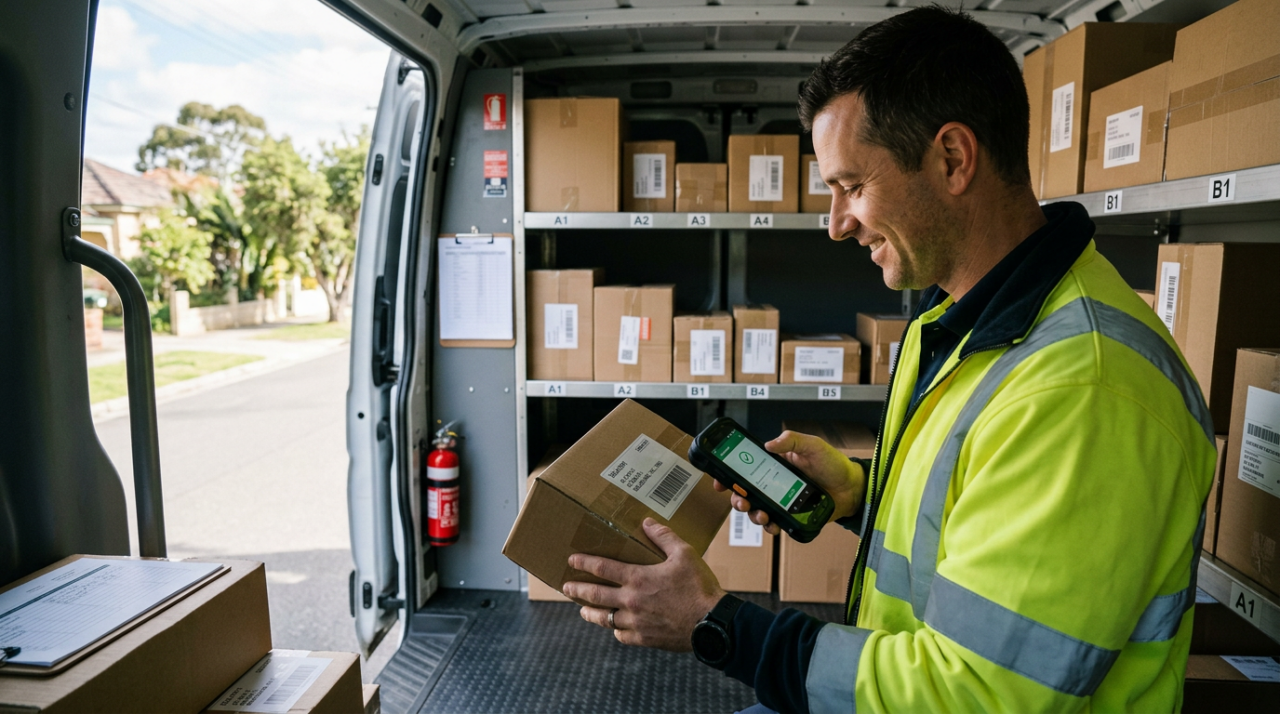
Last mile delivery is the final and often most complex step of the supply chain. It involves moving goods from a local transportation hub to the customer’s hands, and it frequently accounts for over 50% of total shipping costs.
For many businesses, this final stage is where profits are lost, and customer trust is broken because of poor service and logistics issues. This guide explains the mechanics of last mile delivery, breaks down why it fails, and outlines three core, practical strategies to turn delivery operations into a reliable, cost-effective system.
Last mile delivery is the critical final step in a product’s delivery journey. While the “first mile” involves moving thousands of items in bulk from a port to a city warehouse, the last mile is the opposite. It’s the process of breaking down that bulk shipment into dozens or hundreds of small, individual packages and completing the delivery for each one to a unique address. It’s the most granular and customer-facing part of the entire logistics network and supply chain.
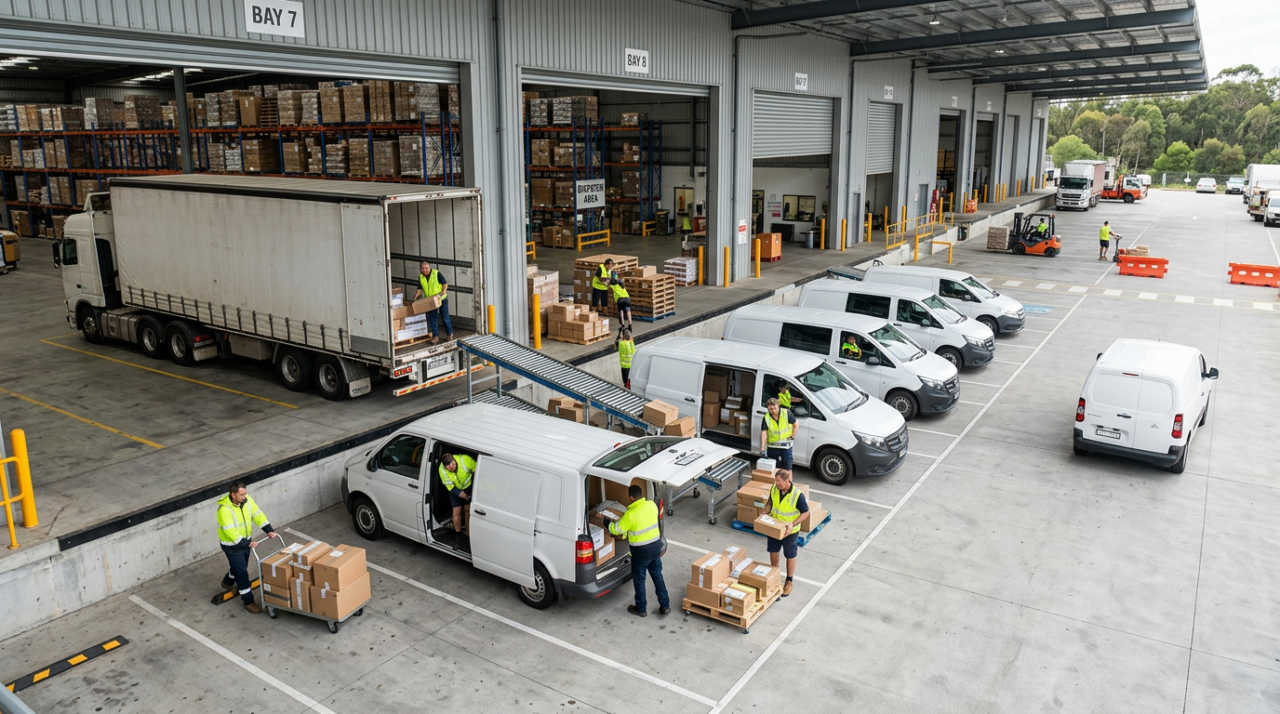
The high costs are a direct result of lost performance. A single truck making one drop is financially sound. One van making 50 separate drops in heavy traffic isn’t. This fundamental challenge creates four distinct problems that destroy profit margins in delivery operations.
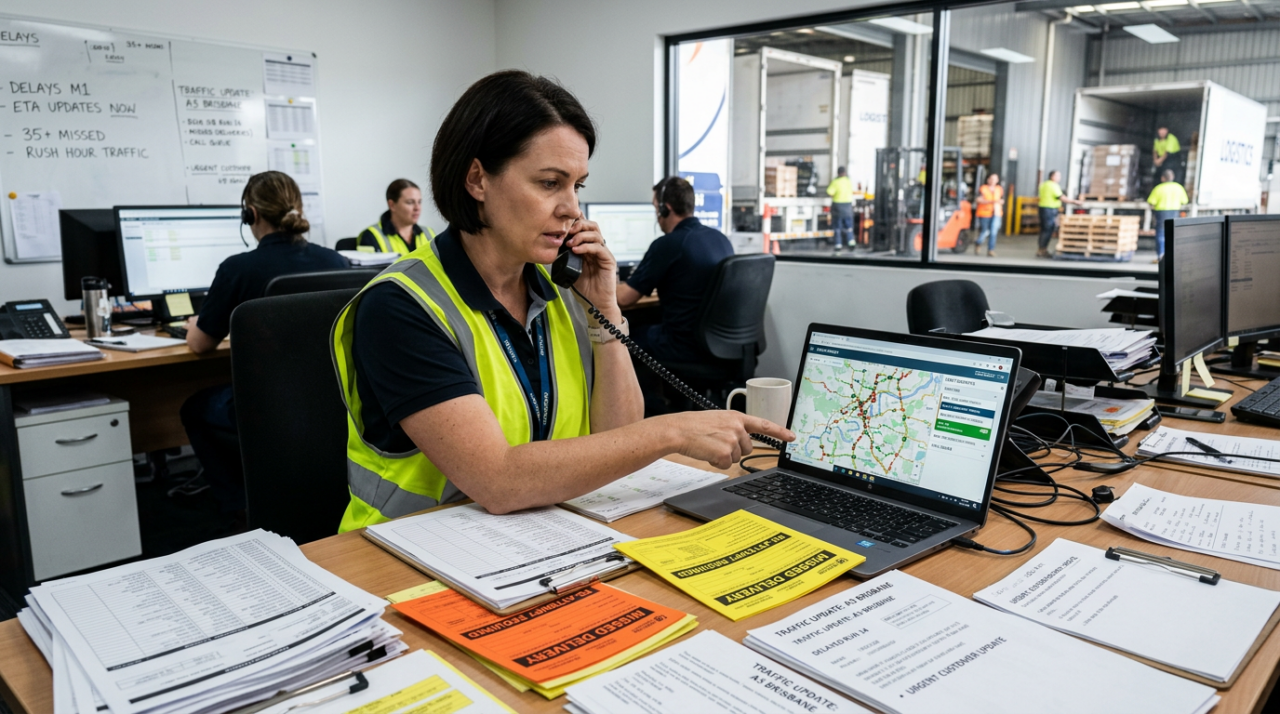
The “Trench Reality”: Business owners often focus on the cost of their delivery team’s wages, but the real financial damage comes from hidden variables: the fuel wasted backtracking, the admin time spent rescheduling a failed delivery, and the customer service hours spent answering “Where is my order?” calls. It’s a classic case of death by a thousand paper cuts, and it’s bleeding the business dry.
| The Problem | The Financial Impact |
|---|---|
| Inefficient Routes | Delivery professionals waste fuel and paid hours backtracking across town because the sequence of stops on their route wasn’t calculated for maximum effect. |
| Urban Congestion | Time spent stuck in traffic or searching for parking directly increases the wage cost per delivery and destroys any profit. |
| Failed Deliveries | When a customer isn’t home, the business pays for the team to return the goods to the depot and then pays again to re-deliver them. |
| Lack of Visibility | Anxious customers tie up support staff with phone calls. This is a direct labour cost caused by a poor delivery system and lack of real-time tracking. |
Stop worrying about fleet maintenance, driver management, and rising fuel costs. Partner with Ontime Delivery Solutions to access a scalable, professional delivery network that reduces your capital risk and improves your bottom line. Our dedicated teams ensure your last mile becomes your competitive advantage.
Enquire About Our Business Solutions Today!
Running an in-house delivery fleet exposes a business to a range of volatile and unpredictable costs. The Total Cost of Ownership for a single vehicle: including the purchase price, insurance, registration, fuel, and maintenance: represents a significant capital risk. A smarter financial model converts these variable operational expenses into a single, predictable cost. This provides better mile logistics management and fulfilment solutions.
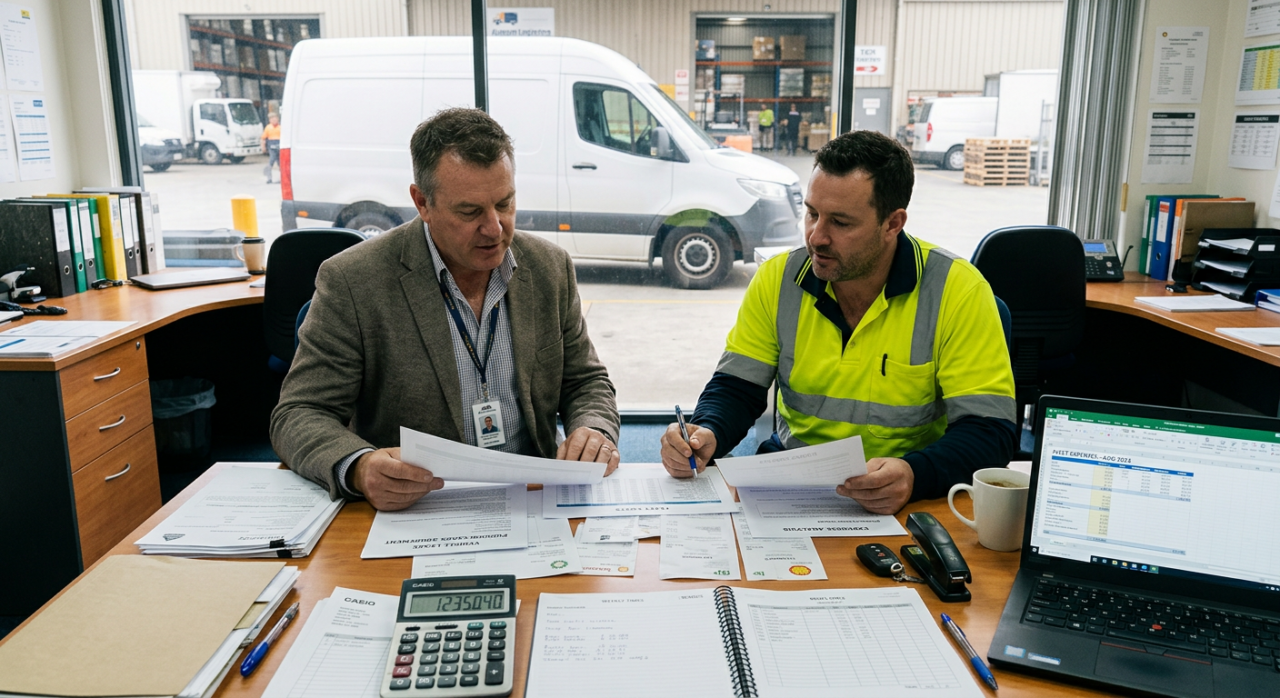
The most common way to achieve this is by outsourcing to a dedicated delivery partner. This moves the financial risk of fleet ownership from your business to the provider. These services allow you to have a scalable delivery team without the associated capital outlay and management headaches. It’ll transform your fulfillment operations.
To the end customer, the delivery team is the only physical representation of your brand. An inconsistent or unprofessional encounter can erase all the hard work done in marketing and sales. A superior customer experience is engineered using two key mechanics:
Manually planning a daily delivery route with a map or spreadsheet is like trying to win a Formula 1 race on a pogo stick. Modern businesses use route optimisation software to get in the driver’s seat and start kicking goals. These platforms use algorithms to instantly calculate the most effective sequence of stops while taking into account traffic, delivery windows, and vehicle capacity. This technology and optimisation directly reduce three major costs: fuel consumption, overtime, and the total number of vehicles needed on the road for fulfilment. It’ll increase your overall efficiency and delivery speed.
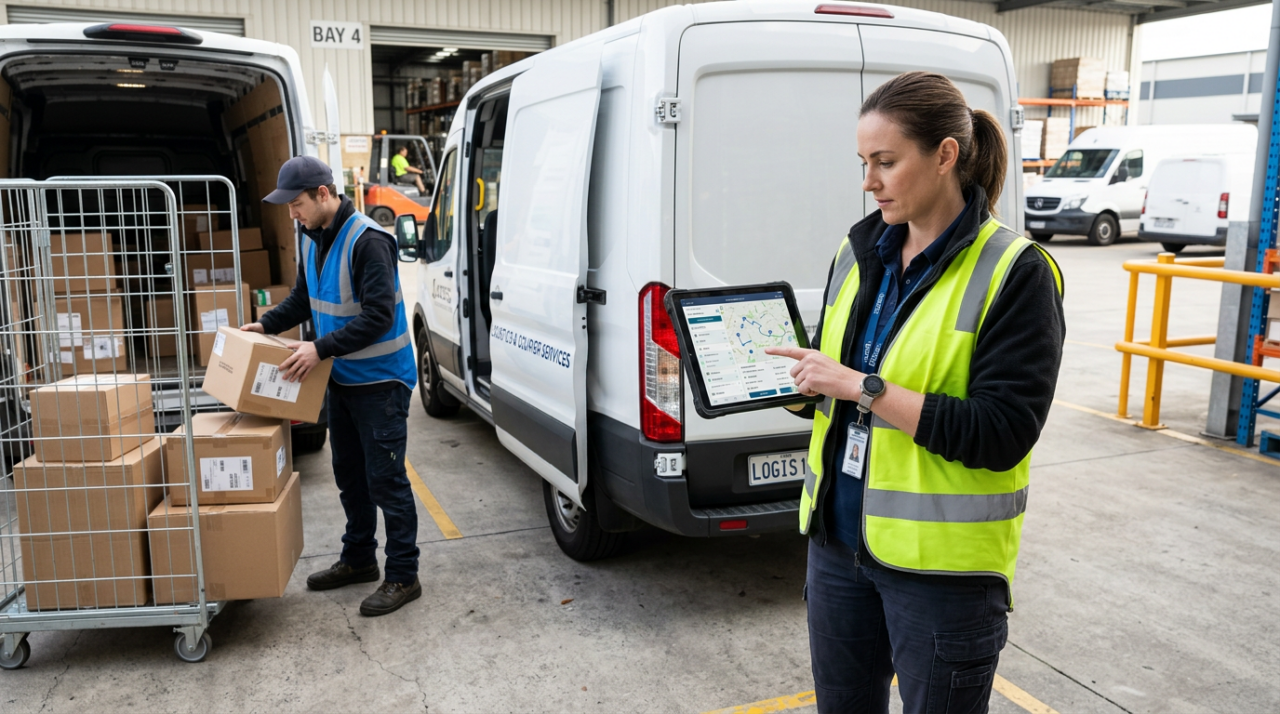
To calculate the true last mile delivery cost, you’ve to sum five key expense categories for a set period rather than just wages. These include:
Adding these provides the Total Cost of Ownership. It’s a complete and accurate figure for financial planning and optimisation of delivery operations.
The primary reason businesses outsource last mile delivery is to achieve cost predictability and reduce capital risk. An in-house fleet has volatile costs like unexpected repairs and fuel price spikes. In contrast, outsourced services convert these variables into a single, fixed monthly fee. For business owners choosing between an in-house fleet and outsourcing, this model is superior for budget stability. It allows a greater focus on the core business rather than on fleet management.
A dedicated driver prevents failed deliveries by accumulating site-specific operational knowledge. This is a significant advantage over an ad hoc arrangement. For example, a dedicated team learns the specific receiving hours for a business, the location of a hidden loading dock, or the name of the on-site contact person for that product. An ad-hoc service focused on a single transaction lacks this context and is therefore more likely to arrive at the wrong time or location. This results in a costly failed delivery.
Fixing last mile delivery is about building a system based on these three pillars. By optimising the financial model, engineering a better journey for customers, and using technology for route optimisation, you’ll transform a challenging operational problem into a significant competitive advantage with the right logistics solutions.
If these challenges are draining your resources, the first step is an expert review. Our free Fleet XRAY analysis can identify the specific gaps in your current system and show you how to fix them.
Get My Free Analysis
From pickup to drop-off, we make every step easier.
Need drivers? 1300 778 919