

A 5-Step Guide On Developing a Cohesive Logistics Strategy for Your Growing Business
Receive a highly customisable outsourced fleet ✓ designed to seamlessly scale with your company ✓ at Ontime…
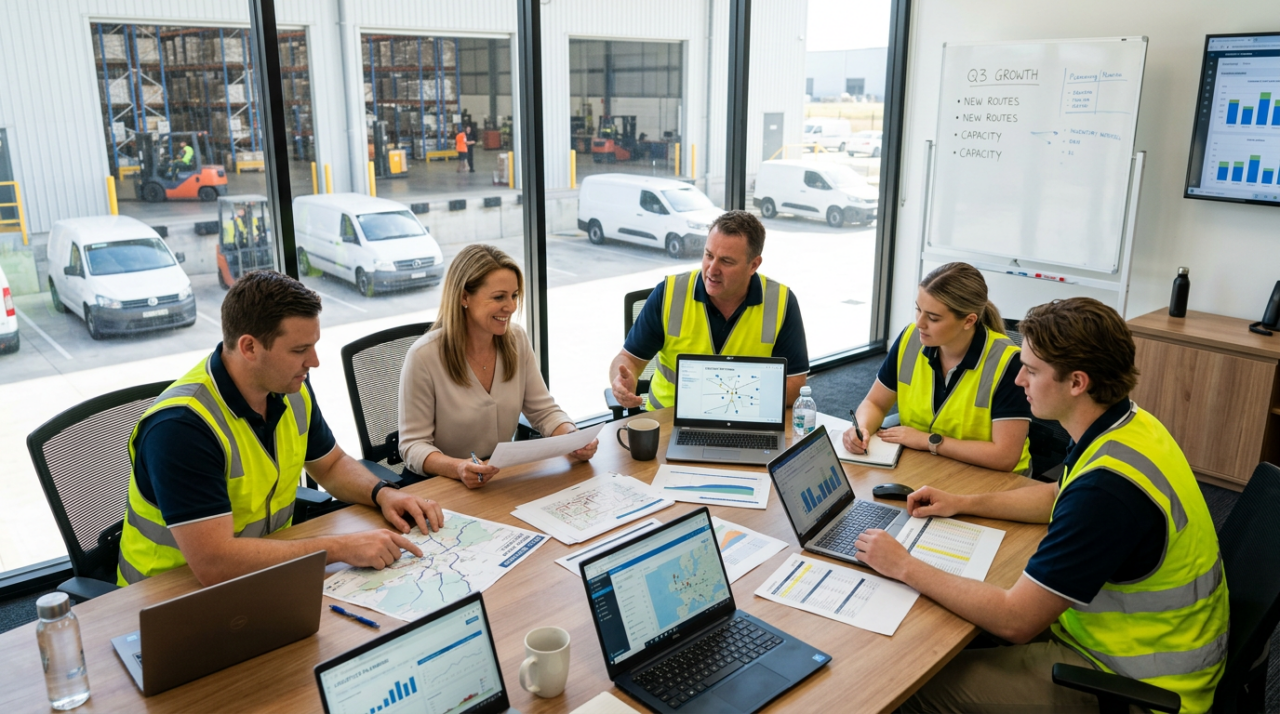
Developing a cohesive logistics plan involves setting clear objectives, forecasting demand, analysing your current transport model, making a build vs. outsource decision, and creating a backup plan. As your business scales, what were once simple delivery runs can quickly become a source of chaos and customer complaints.
This guide walks you through the 5 essential steps to build a logistics blueprint, so you can turn the distribution function from a daily headache into a powerful asset that’s absolutely kicking goals.
You can’t improve what you don’t measure. The first step to developing any sound plan for your supply chain is to define success with objective numbers. Effective chain management starts here. This requires establishing and tracking key performance indicators for your transport function. This initial stage of logistics planning is critical for setting a benchmark against which to measure all future performance. Without clear targets, your efforts will lack direction, and you won’t know if your changes are positively impacting the bottom line.
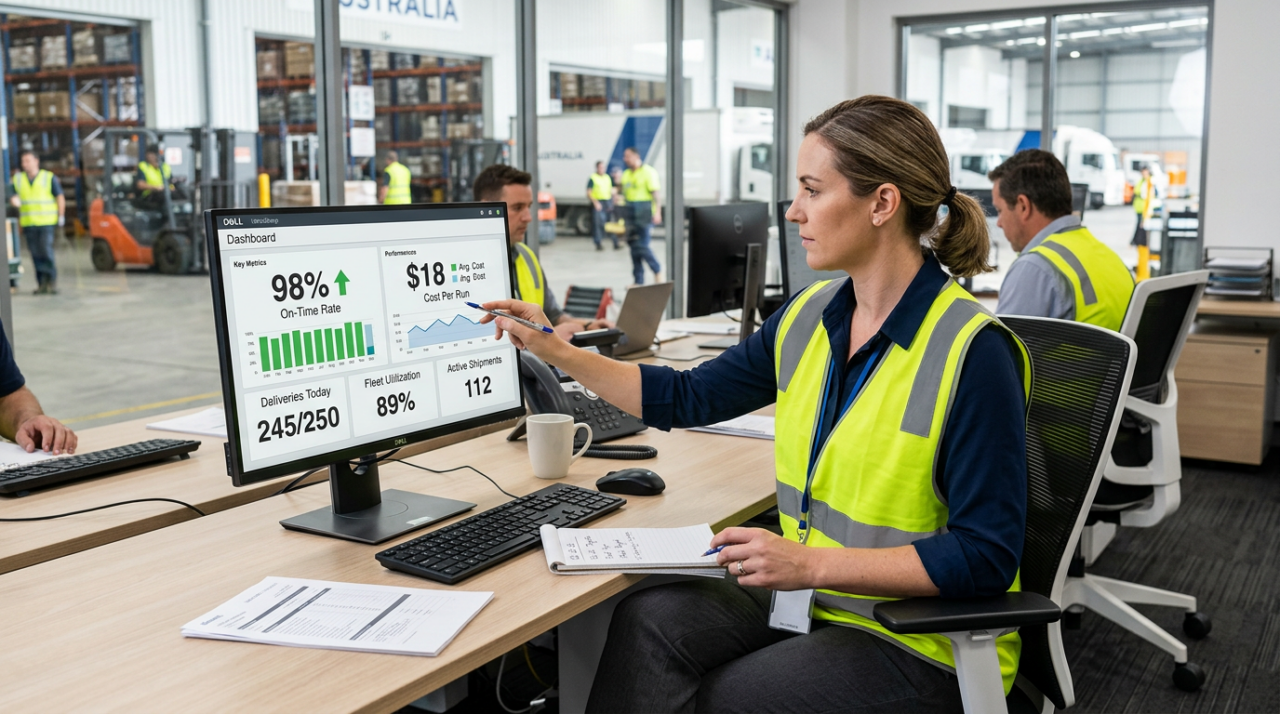
Let’s say in one month your business spends $10,000 on all transport-related costs and completes 500 runs. Of those, 25 were late.
Your initial objective could be to reduce the Cost Per Run to $18 and increase the On-Time Rate to 98% within 6 months. Now you have a clear, measurable target.
The next step is to use your past sales data to predict your future operational needs. Accurate demand forecasting across your entire operation is essential because a plan built for today’s volume will fail tomorrow. This involves more than just a simple guess: it requires a deep dive into your data to ensure your supply of vehicles and drivers can meet future demand. An accurate forecast enables you to make data-driven decisions across your entire chain of management.
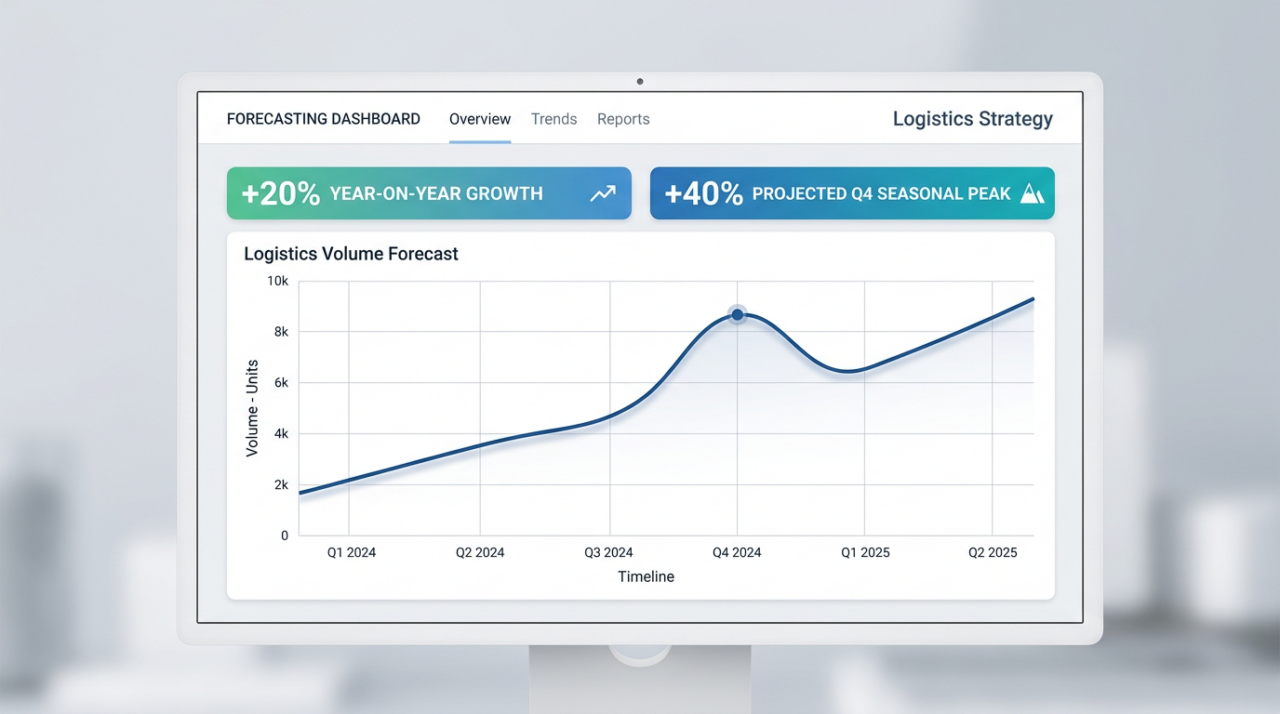
The Mechanic: Pull your sales reports from the last 12-24 months. You must identify seasonal peaks, such as a 40% increase in November and December; overall trends, such as 20% year-on-year growth; and the geographic concentration of your customers. This analysis is vital for anticipating the required resource supply and preventing service disruptions during peak periods, ensuring the entire supply chain runs smoothly.
If you need a clear picture of your transport expenses, our complimentary Fleet XRAY Analysis can reveal the hidden costs of your current model.
Talk to a Logistics Expert Now!
Now, you must conduct an honest analysis of your current operations. This is where you connect your logistics to your overall supply chain strategy. Based on your forecast from Step 2, will your current model for scaling your transport operations succeed, or will it break?
Consider how well your system integrates with warehouse management practices and other parts of the supply chain. A bottleneck here can cause ripple effects throughout your entire business, impacting inventory and customer satisfaction.

With a clear understanding of your targets, forecast, and current limitations, you can now make the critical strategic decision: do you build a larger in-house fleet or outsource to a dedicated partner? This is one of the key components of a solid logistics plan, impacting everything from capital expenditure to operational flexibility within your supply chain. It’s a choice between retaining full control with high fixed costs or gaining flexibility and expertise by partnering with specialists.
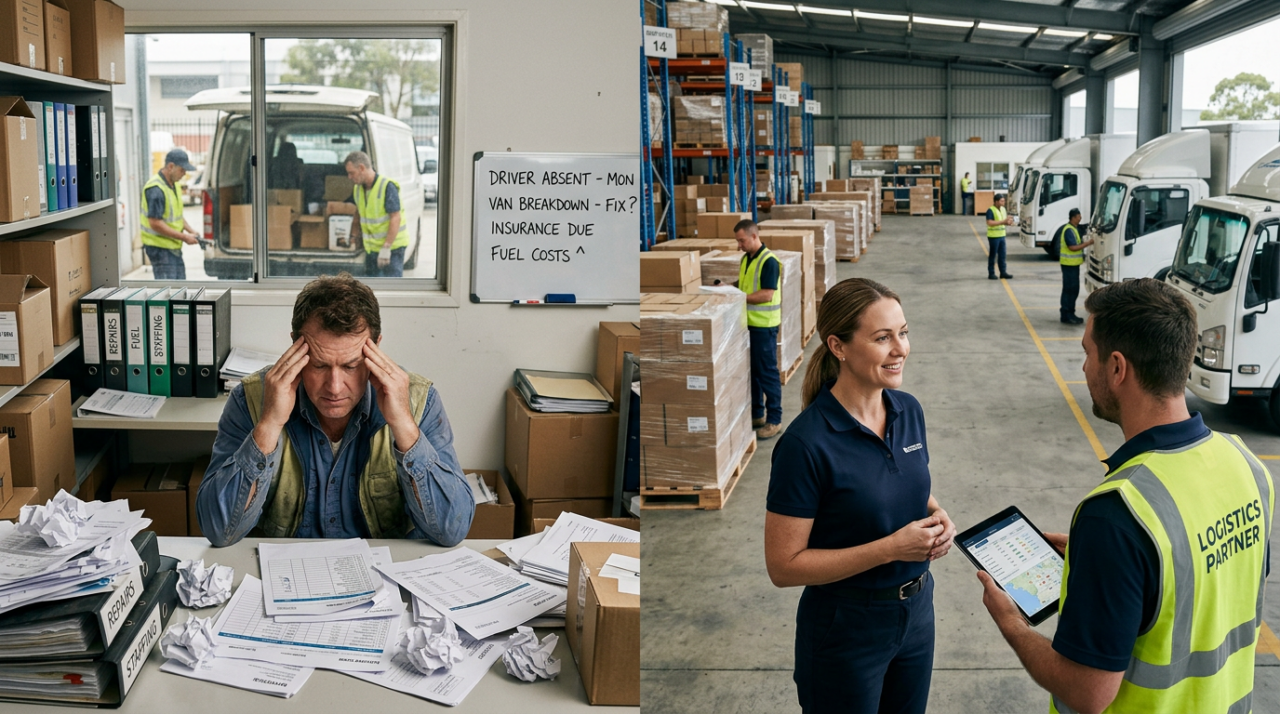
The Mechanic: This is a financial and operational trade-off. Building an in-house fleet means investing your capital in depreciating assets and assuming the full risk. A key part of your logistics strategy should be mitigating this risk. Partnering with a dedicated provider converts your unpredictable capital costs into a fixed, predictable operational expense, which is a cornerstone of effective chain management.
A professional plan always accounts for failure. The final step is to ask what happens when something goes wrong. For a small in-house fleet, a single vehicle breakdown or a driver calling in sick can halt your entire delivery operation for the day. Your plan must include a contingency for these events. This involves considering the entire supply chain and how a disruption impacts it. A professional outsourced partner builds this in from day one. Our systems, for example, leverage advanced technologies and include a reserve fleet and a pool of cross-trained drivers, which acts as an operational insurance policy to guarantee zero downtime for our clients. This proactive approach to managing the supply of drivers ensures business continuity.
Your logistics framework should be reviewed quarterly against performance metrics such as Cost Per Run and On-Time Rate. A major review is necessary annually or following significant business changes, such as opening a new store or launching a major product. This ensures the logistics plan remains aligned with the business’ operational reality and financial targets, rather than becoming outdated. Regular reviews help maintain an efficient supply chain.
The highest hidden costs aren’t the vehicle purchase price, but the unpredictable operational expenses. These include 1) Maintenance and Repairs, such as tyre replacement or engine trouble, 2) Recruitment and Training for new drivers, 3) Management Overhead, like time spent on scheduling and compliance, and 4) The Cost of Downtime when a vehicle is off the road. Compared to a fixed-fee outsourced model, these variables make accurate budgeting for an in-house fleet extremely difficult.
To choose a logistics partner in Australia, evaluate them on three key criteria: 1) A proven model for driver retention, as high turnover leads to inconsistent service, 2) A contractual guarantee for operational uptime, such as a service level agreement that includes backup vehicles and drivers, and 3) A willingness to act as an advisor who understands your specific business needs. A supplier simply provides a vehicle: a partner provides a comprehensive, risk-managed solution that strengthens your entire supply.
By developing a cohesive logistics plan using this 5-step blueprint, you can move your business from a reactive, daily firefighting of transport problems to a proactive state of control. This framework helps align your logistics strategy with your overarching objectives. It’ll allow you to build a scalable, efficient, and cost-effective operation that fuels your growth, letting you soar past your targets rather than be held back by a fractured supply chain.
If you need a clear picture of your transport expenses, our complimentary Fleet XRAY Analysis can reveal the hidden costs of your current model.
Talk to a Logistics Expert
From pickup to drop-off, we make every step easier.
Need drivers? 1300 778 919