
ETA vs ETD Are Key Logistics Terms for Managing Your Business Shipments
Understand ETA vs ETD ✓ and other key logistics terms for managing shipments ✓. This guide gives you the…
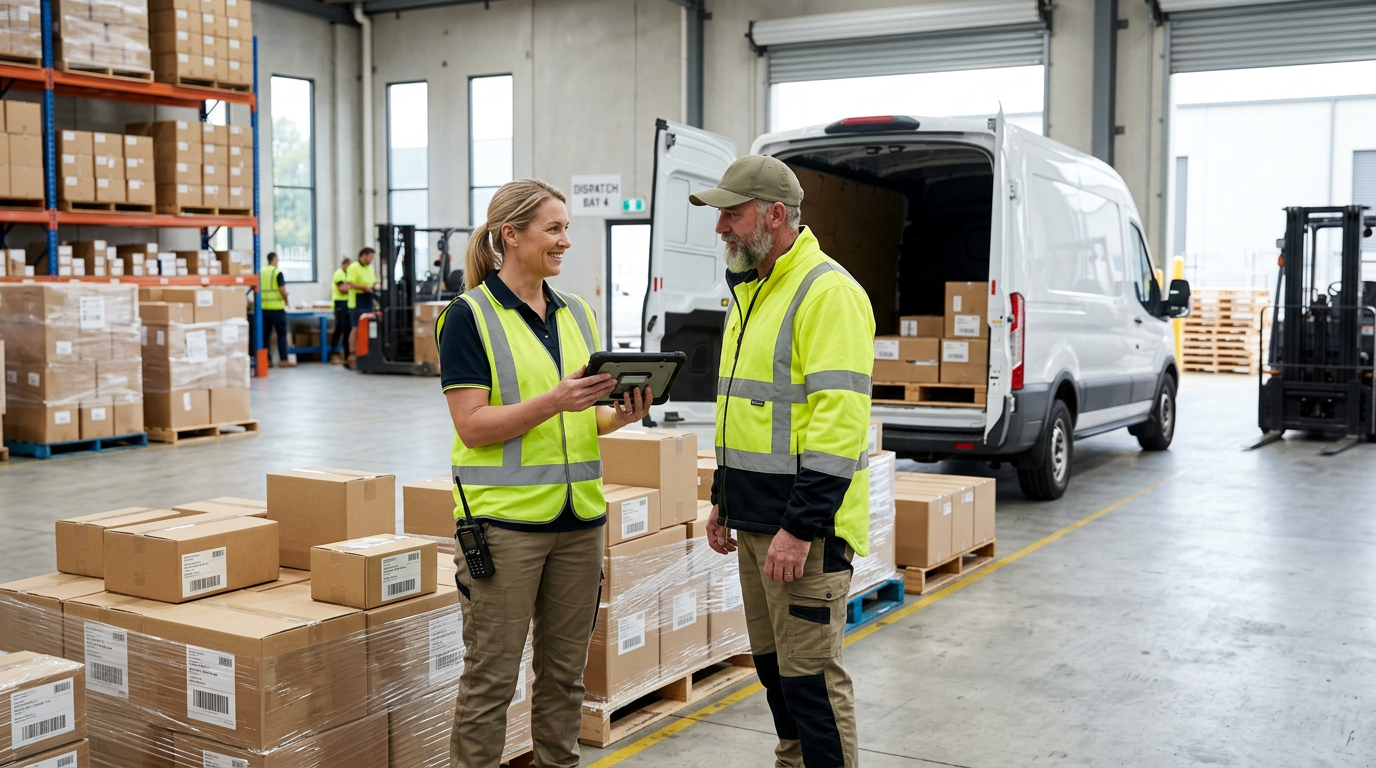
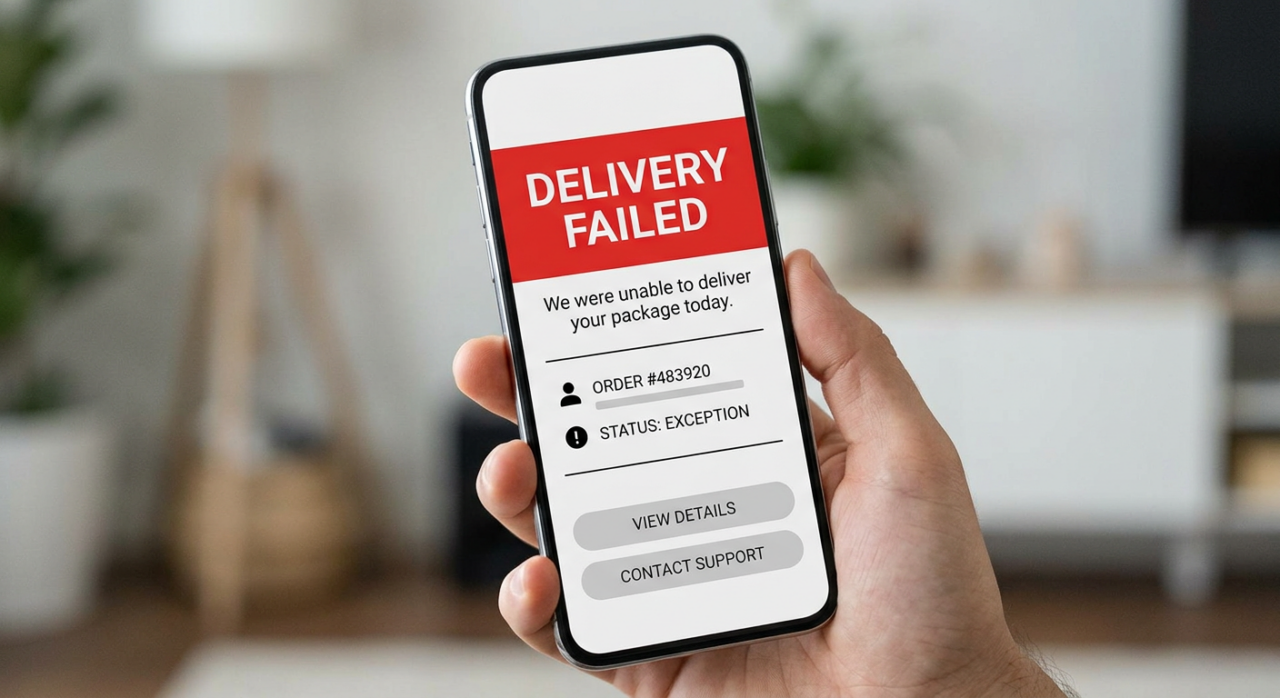
In the world of shipping and supply chain operations, the ETD (Estimated Time of Departure) is when your truck leaves your warehouse, while the ETA (Estimated Time of Arrival) is the promise you make to your customer. It is a critical process failure when those two times don’t align, because every late dispatch hurts your reputation. This isn’t just bad luck. It’s a process problem that a professional dedicated delivery service is built to solve. The ETA indicates when a shipment will arrive, and the ETD shows when it begins its journey from the origin, whether a warehouse or a major port. This guide gives you a 4-step plan to fix it permanently, improve your entire supply chain process, and ensure your cargo arrives on time.
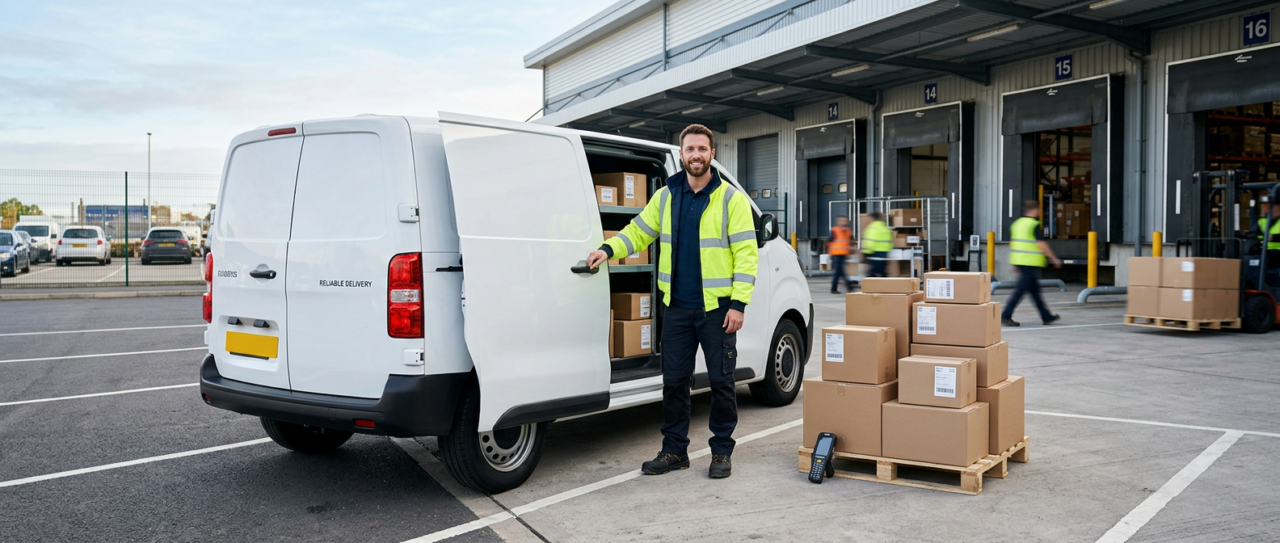
This is the absolute first thing you must fix. The Estimated Time of Departure (ETD) is the exact moment your truck is scheduled to leave. If this step fails, every other part of the transport process will fail. Mastering your ETD is a key first goal. This is the moment a shipment leaves your depot, and controlling it is paramount.
The Action Plan: For the next three days, have your team log the scheduled dispatch time versus the actual time the truck’s wheels start rolling. A consistent gap here is the direct source of late shipments and inaccurate ETA issues. Gaining control over your ETD is the most critical key to unlocking operational efficiency.
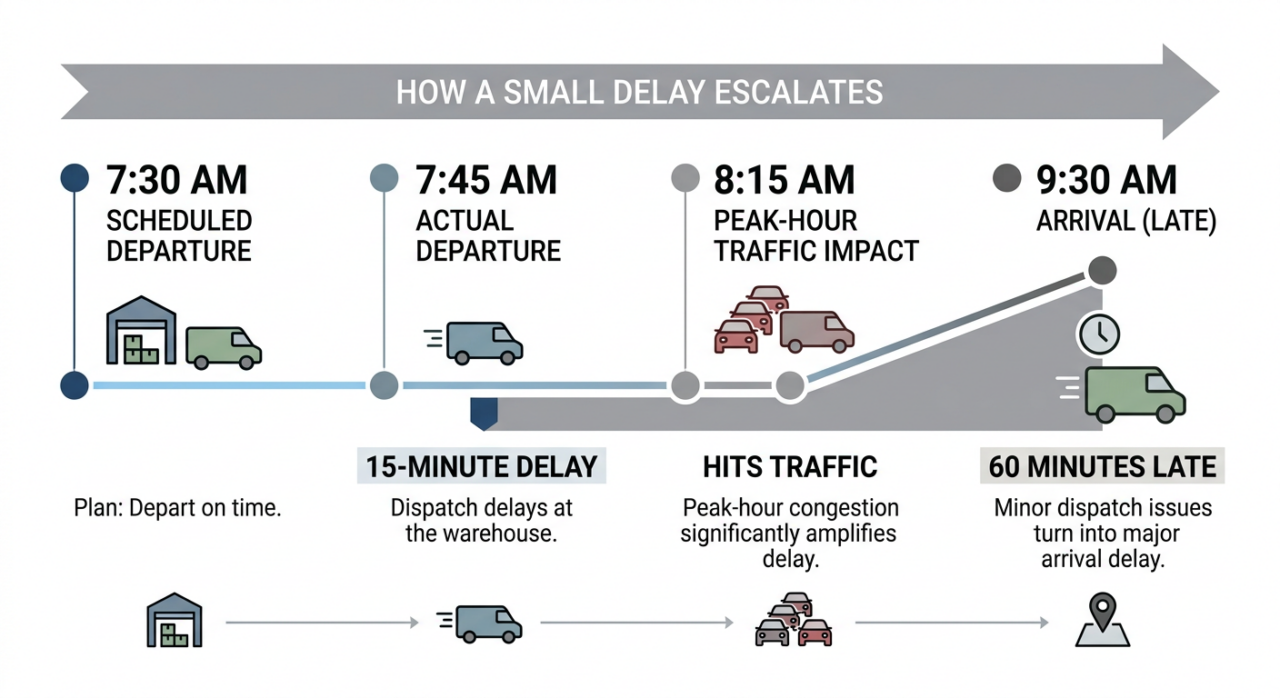
A 15-minute delay in your warehouse doesn’t stay that way. The impact on the final arrival time is often much greater. This single failure point can undermine an entire day’s trade. Let’s see how it plays out in the real world.
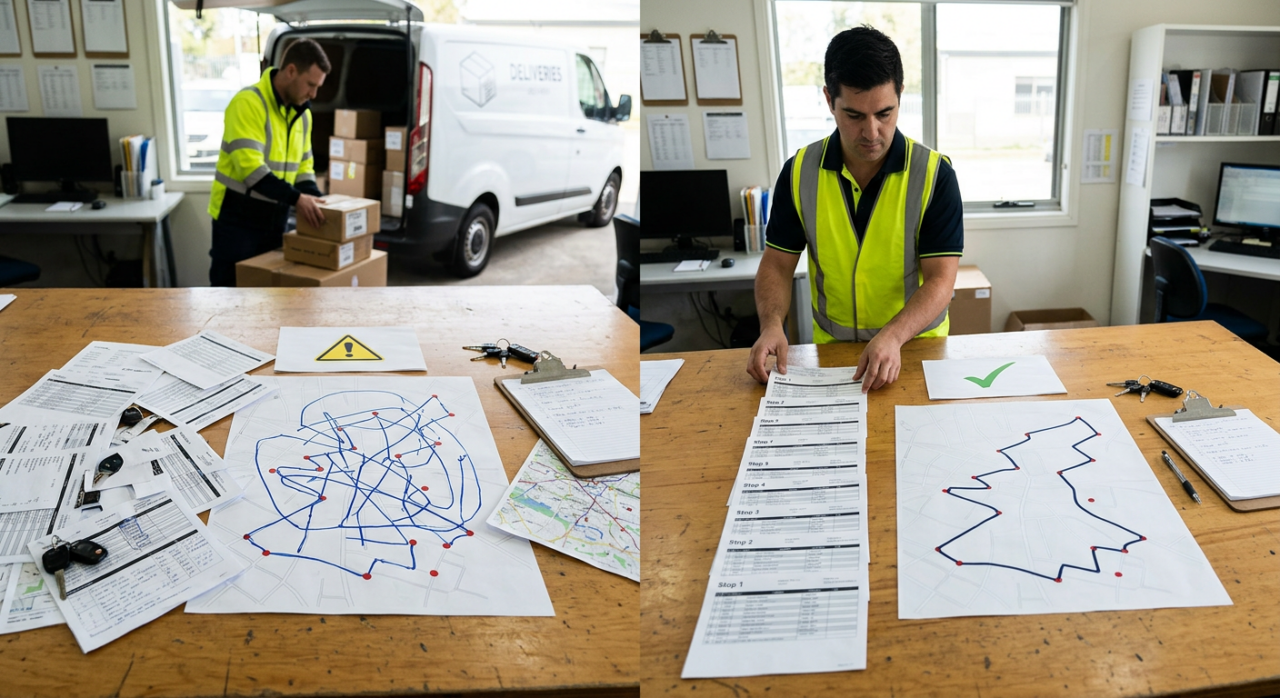
Once your trucks achieve a consistent ETD, your next job is to ensure they follow the smartest path. This is where you build the foundation for an accurate Estimated Time of Arrival (ETA). An accurate ETA tells you exactly when the cargo will arrive, providing crucial information to your customers. The ETA is your best signal for when something will arrive.
The Action Plan: Use a dedicated route planner or routing software to sequence your stops. This technology turns a hopeful guess into a data-driven plan for every shipment. Proper planning is about precision, not guesswork. This advanced routing capability ensures that every piece of freight is transported efficiently.
Our managed solutions use smart tech and professional drivers to keep your promises.
A plan is useless if you can’t see what’s happening in the real world. A perfect plan on a screen means nothing if a truck gets a flat tyre. Real-time tracking is essential for modern supply chain systems and for calculating a dynamic estimated time of arrival. When a customer asks when their shipment arrives, you need a confident answer.
The Action Plan: Use a simple GPS device or a driver app to track your vehicles. The goal isn’t to micromanage; it’s to get an automatic alert the second a truck gets stuck. This level of track and trace technology allows you to manage the situation professionally and provide updated information.

This is the final step that separates amateur operations from professional outfits. Your system must be strong enough to handle reality. What happens when a driver calls in sick? Your Estimated Time of Departure can’t be ‘cancelled’. An effective plan ensures your valuable freight is never left stranded.
The Action Plan: Create a written backup plan. Start with a simple ‘contingency list’ on a whiteboard that every person on your team can see: Who is our backup driver? Where are the spare keys? Who is our emergency rental contact? This simple organisational task is a game-changer.


The primary reason for inaccurate Estimated Times of Arrival (ETAs) is an inconsistent Estimated Time of Departure (ETD). The problem almost always begins with internal warehouse processes, such as slow order picking or disorganised loading, which cause the vehicle to leave later than scheduled. This initial delay disrupts the entire day’s schedule, making a timely arrival nearly impossible. Solid operational control starts with a solid ETD.
Software optimises a plan; it cannot execute it. It does not account for the physical realities of fleet management: driver absenteeism, vehicle maintenance, or unexpected breakdowns. A complete solution requires the management of assets and people, not just data. This is the function of an embedded delivery partner.
A dedicated driver functions as an extension of your business and supply chain, whereas a casual courier is a third-party gig worker paid for a single transaction. A dedicated driver learns your specific requirements, customer preferences, and unique protocols, resulting in higher efficiency, better oversight, and greater consistency. In contrast, a casual courier focuses solely on moving a package from point A to point B and lacks the deeper integration that protects your brand’s reputation.
Getting the Estimated Time of Departure (ETD) right is important because it’s the foundational step in the entire shipping process and the one factor you can completely control. A punctual ETD sets your driver up for success for the rest of the day. Conversely, a late start creates a negative ripple effect, where small initial delays are magnified by traffic and other factors, making it almost certain you’ll miss your promised Estimated Time of Arrival (ETA).
You now have the exact 4-step framework to take back control of your operations. But knowing the steps is different from having the time and people to execute them flawlessly. Beyond preventing loss, a flawless delivery operation is a competitive advantage. It allows you to guarantee tighter delivery windows, expand your service area, and increase customer lifetime value, turning a cost centre into a growth engine. If you have identified gaps in your own operation, the most effective next step is to see the real numbers. Effective supply chain performance relies on data.
Our tech and professional teams deliver operational certainty to your customers with every shipment.
Book Your Free Fleet XRAY Analysis
From pickup to drop-off, we make every step easier.
Need drivers? 1300 778 919