

The Smart Alternative to Risky Independent Courier Contracts To Secure Your Brand
Secure guaranteed zero downtime ✓ and a dedicated, permanent delivery team ✓ at Ontime Delivery Solutions.…

Adopting smarter logistics is a business framework for systematically increasing the efficiency of your delivery operations while reducing costs and environmental impact. For many business owners, “going green” feels like an expensive option, but that’s not the case.
A smart logistics strategy for your business assets is about eliminating waste from your biggest cost centres, which is a core principle of effective fleet management. This guide explains the mechanics of implementing a sustainability-focused approach to your supply chain, boosting your transportation efficiency, and winning over modern, eco-conscious customers who value sustainable practices.
At its core, this approach to logistics is the practice of measuring, minimising, and managing the environmental impact of your supply chain. In the real world, this simply means finding and eliminating waste from your business operations.
Every wasted kilometre driven, every litre of fuel burned unnecessarily, and every minute a truck is idling represents two things at once: a source of carbon emissions and a direct cost to your business. A sustainable strategy attacks these financial leaks, making your entire transportation operation cleaner and more profitable.
It’s about working smarter, not harder, to reduce your environmental footprint and boost the bottom line. You’ll be able to explore a range of benefits that come from this efficiency-first mindset.
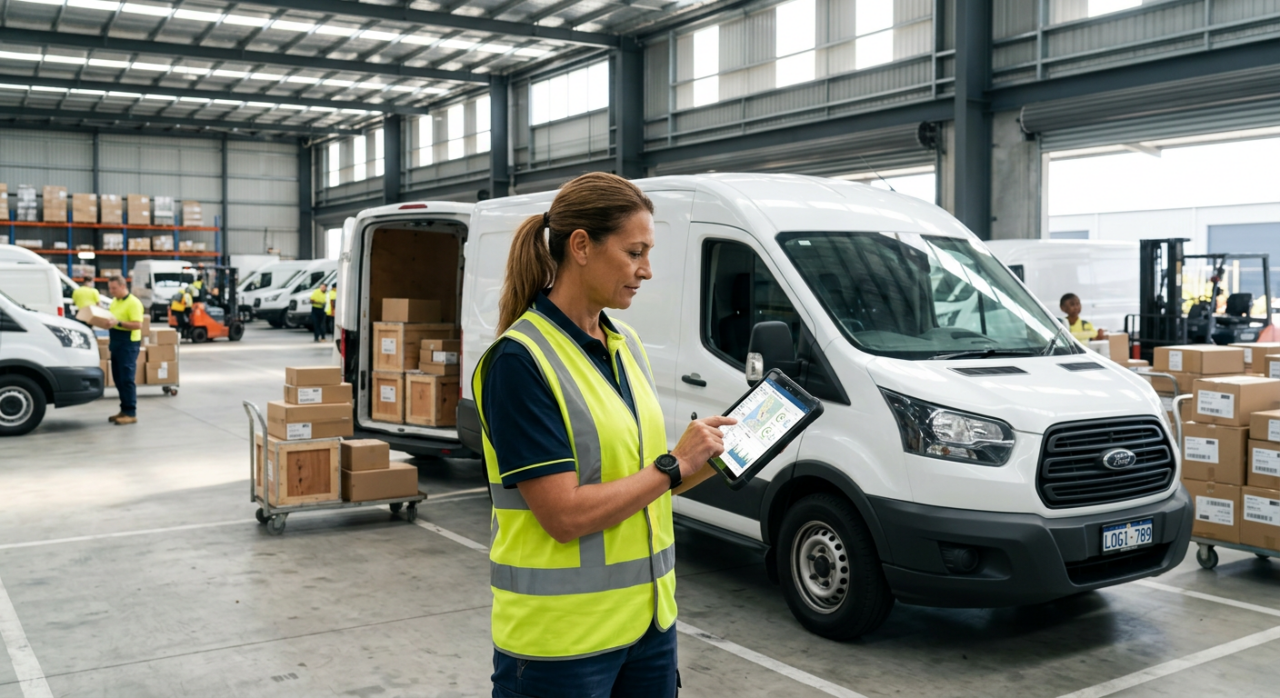
The most impactful way to reduce your fuel bill is to stop driving unnecessary kilometres. The mechanism for achieving this is advanced routing software, which uses an algorithm to instantly calculate the most efficient sequence of stops.
This is the heart of smart logistics and effective route optimisation. A human can’t find the optimal journey when juggling dozens of stops and traffic variables. Software does it in seconds, eliminating backtracking and wasted driving time, which directly cuts fuel costs. This single change can have you kicking goals on efficiency and smashing your delivery windows.
The Verdict: The optimised journey saves 20km of driving and one hour of wages every day. Over a month, that single van saving can add up to hundreds of dollars in labour and fuel costs, which is a clear win for your management team.
An efficient operation is about using the right tool for the job. A “one size fits all” strategy means you’re accepting a financial penalty on every small delivery you make. The correct operational question before every dispatch is, “What’s the smallest, most fuel-efficient vehicle we can use for this specific load?” This is one of the simplest yet most effective sustainable management practices you can implement. Whether it’s a standard vehicle or a specialised green vehicle, matching the transportation asset to the task is key for any logistics operation.
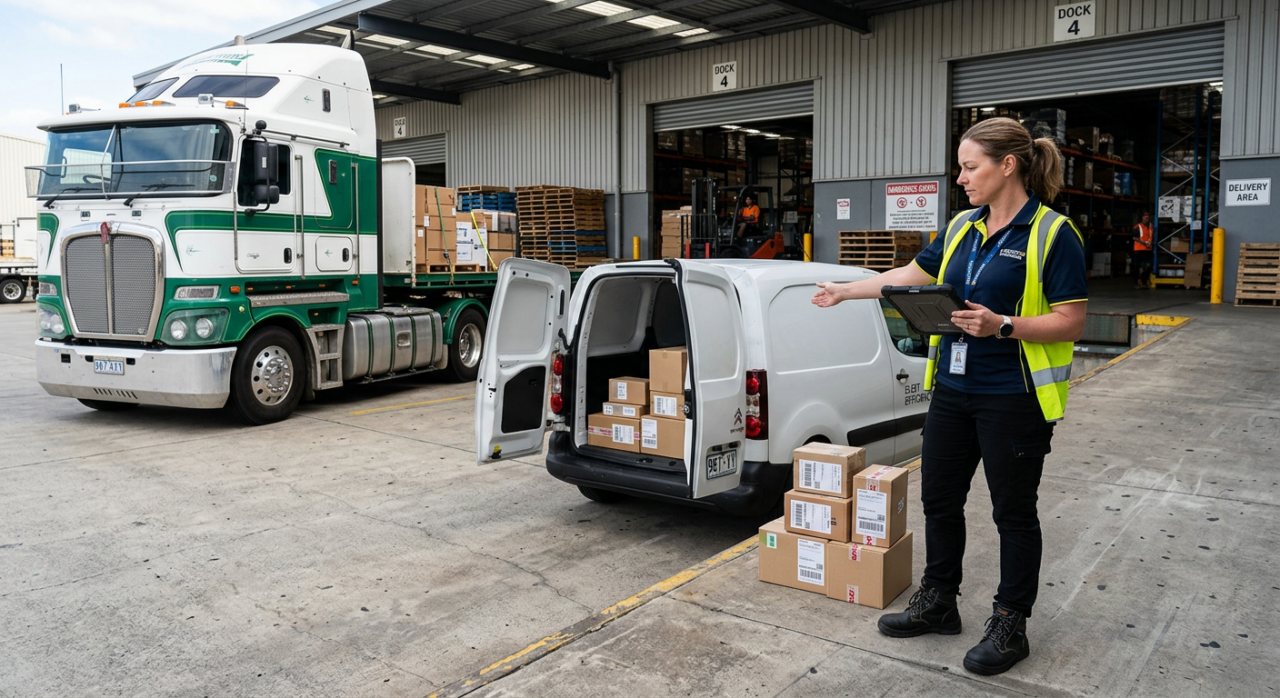
The Verdict: The larger of the two vehicles uses almost twice as much fuel for the same job. Multiplied across hundreds of small deliveries a year, this waste from inefficient transportation adds up to thousands of dollars in unnecessary costs.
Streamline your supply chain today. Partner with Ontime Delivery Solutions for professional, reliable delivery services that prioritise efficiency and cost-effectiveness. We’re here to help businesses across Australia scale their operations with ease.
Contact Our Logistics Experts Now!
A driver’s habits behind the wheel directly impact your fuel budget and your operation’s carbon footprint. According to the National Roads and Motorists’ Association (NRMA), simple fuel-efficient driving techniques can significantly cut fuel consumption. The three most financially impactful habits are:
A well-maintained vehicle is a more fuel-efficient vehicle. Proactive maintenance isn’t an expense: it’s a tool for saving money and improving fuel efficiency. The two key mechanics are scheduled engine servicing and correct tyre pressure. This is a fundamental part of good logistics management.
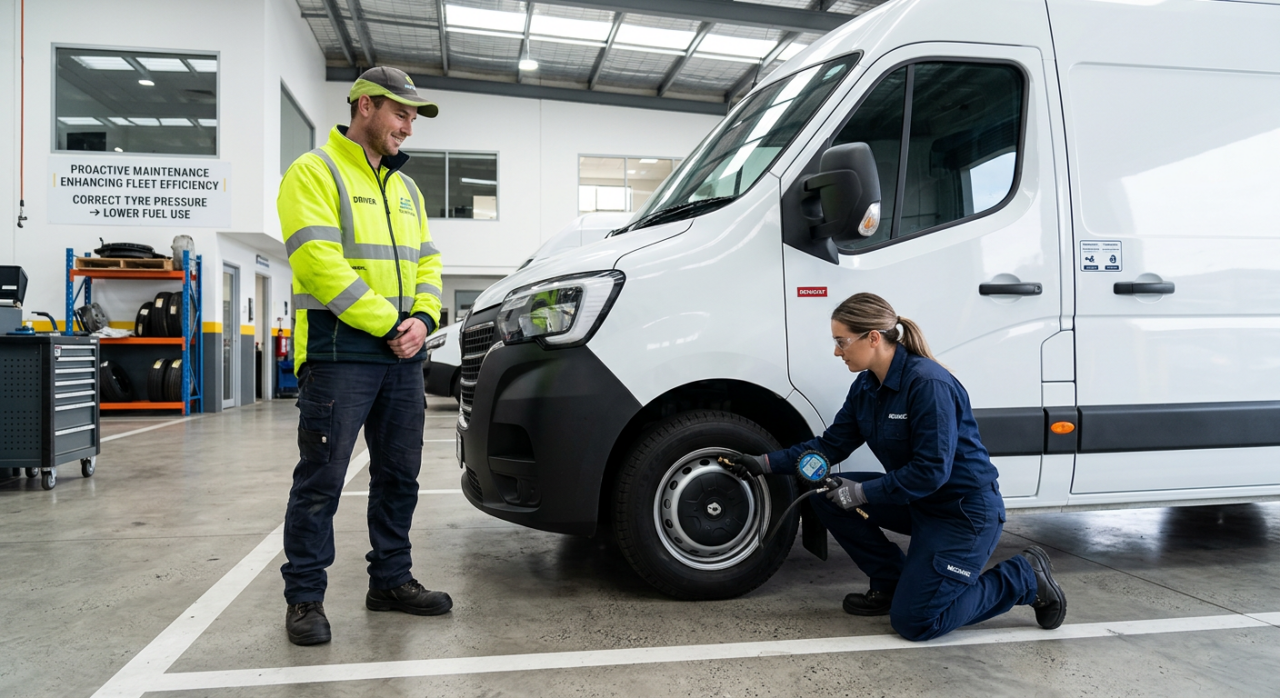
The Verdict: Across five vehicles, that simple weekly check could save over 600 litres per year: a direct and easily preventable cost found through simple optimisation.
The main financial benefits are direct cost reductions in fuel, maintenance, and labour. Specifically, advanced routing software minimises kilometres driven, saving on operational expenses and wages. Properly sizing your vehicles and adopting efficient driving habits further reduces fuel consumption. Proactive asset care lowers repair bills and improves overall efficiency. For business owners evaluating the return on investment, these operational savings and sustainability gains typically far outweigh the initial investment in technology or training. Implementing these fleet initiatives is a proven path to enhanced profitability within your supply chain.
A commitment to sustainability improves brand reputation by demonstrating tangible efforts to operate responsibly, a key purchasing factor for a growing number of consumers. When a business can verifiably state that it’s reducing its carbon emissions through efficient operations and better management, it appeals to discerning customers. Compared to competitors with inefficient, high-emission operations, a business with a sound logistics strategy can use its lower environmental impact as a distinct marketing advantage in the modern marketplace. This approach to sustainability shows you care about more than just shipping goods.
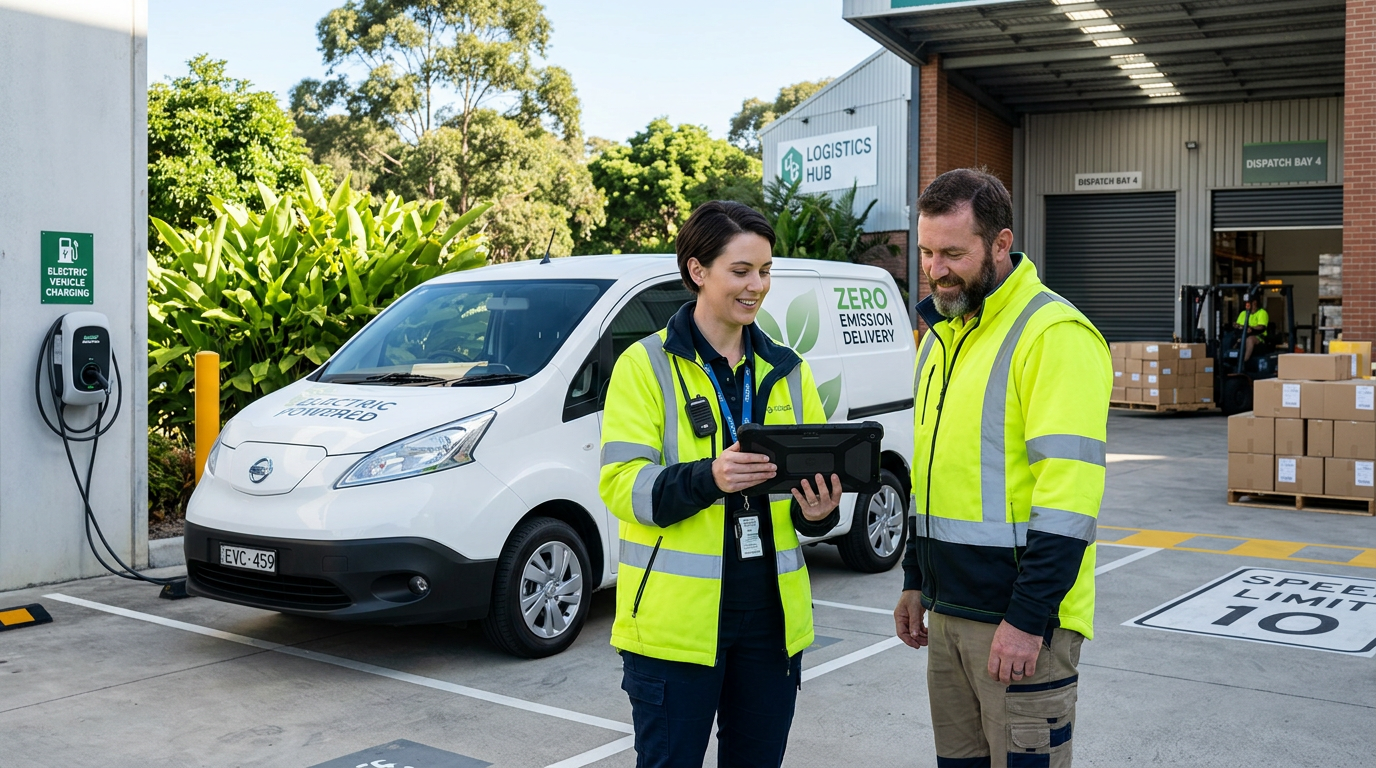
For city-based businesses with predictable “back to base” daily runs under 300km, electric vehicles are now a financially viable option for reducing operational carbon emissions. The higher upfront cost is often offset by lower running costs and reduced servicing needs. Business owners should look into Australian government incentives for building a sustainable fleet, such as the FBT exemption for eligible electric cars. However, for businesses with long regional routes, Australia’s current public charging network still presents a significant operational risk compared to the established fuel infrastructure. It’s a key consideration in the broader conversation about your business’s sustainability journey.
Ultimately, a sustainable logistics strategy isn’t about making sacrifices. It’s about applying a ruthless, efficiency-focused mindset to find and eliminate every gram of waste from your delivery operations. The result isn’t just a lower carbon footprint, but a more resilient and profitable business that’s soaring above its sustainability targets.
Our free Fleet XRAY analysis can pinpoint hidden costs and waste in your current delivery setup, providing a clear path to greater efficiency and sustainability.
Get My Free Analysis
From pickup to drop-off, we make every step easier.
Need drivers? 1300 778 919