

A Deep Dive into Your Fleet’s Cost Per Kilometre
Do you know your fleet's true cost per kilometre? Our guide shows you how to calculate it, revealing…
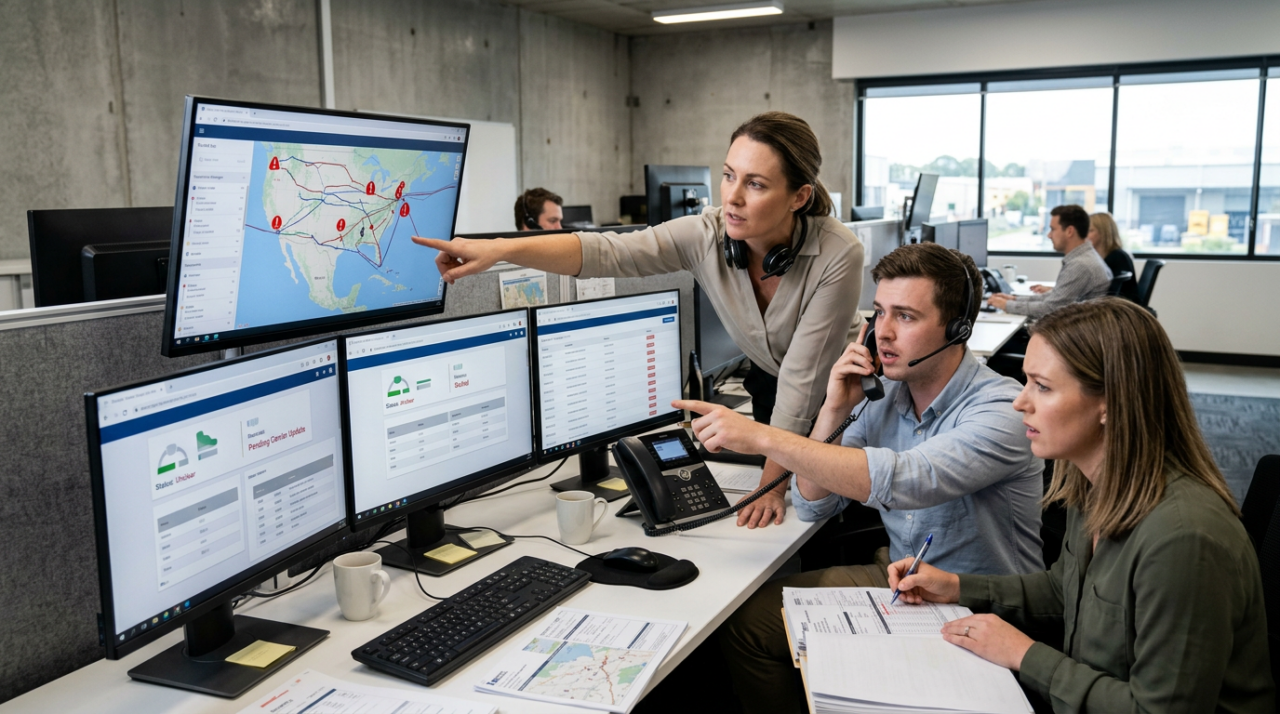
This guide decodes the frustrating "tendered for delivery" status, revealing what this shipping update means for your business and how to permanently fix the operational black holes that are costing you money. Our team shares practical insights on managing frustrating tracking updates and how to regain control over the last mile delivery of Australian freight and shipping.

You check the tracking on a critical shipment, perhaps urgent parts needed to get a vehicle off a hoist or time sensitive ingredients for a food manufacturer, and the status reads: Tendered for Delivery.
For an operations manager, this status often signals a loss of visibility within the delivery process. It is the primary reason teams spend hours chasing answers, forced to tell a waiting customer that the location of their goods is unknown. This guide provides the clarity needed to resolve these issues and improve your freight tracking processes by utilising advanced track and trace technology for every delivery.
To resolve delivery delays, it is helpful to understand why the tendered for delivery status exists. In the Australian business shipping landscape, this status is typically a result of specific handoffs between carriers.
In plain English, tendered for delivery means your consignment has been passed from a national carrier, like DHL or FedEx, to a local, third party subcontractor for the final delivery. This occurs because large trucks are efficient for interstate transit but unsuitable for navigating to the final delivery destination. While this is efficient for the primary delivery service provider, it introduces a significant risk for your business shipping and overall delivery process.
The moment this handoff occurs, your service agreement remains with the primary carrier, but the physical goods are with a subcontractor you have no direct relationship with. This creates a black hole where the primary carrier tracking system fails to communicate with the internal records of the subcontractor. When two different companies track the same package delivery with incompatible software, updates often stall, leaving you unable to give your customer the answers they need about their delivery status.
“The tendered status is where transparency often fades in Australian freight. National carriers focus on interstate efficiency, but that often leaves a visibility gap during the most important stage for your customer: the last mile delivery.”
By understanding the technical mechanics of the freight network, you gain the clarity needed to identify where your shipments are most at risk during the last mile delivery.
A vague freight tracking status is more than a minor inconvenience: it is a drain on your business resources and your customer trust. When a customer calls for an expected arrival time and the only answer you can provide is that the package is stalled, it suggests your operation may lack the reliability required for time sensitive orders and this specific delivery.
| Logistics Data Insight: Customer Retention and Delivery |
|---|
| Internal data from the thousands of consignments we process shows that delivery reliability is a primary driver of customer retention. Research across the Australian market suggests that 41% of consumers may stop spending with a business after just one negative delivery experience. |
In a just in time supply chain, a successful delivery is a critical operational component for order fulfillment. A 24-hour delay on chilled dairy results in spoilage, while a delayed pallet of construction materials can leave an entire crew standing idle on site. Businesses often end up absorbing both the financial loss of the delay and the reputational damage for a failure in the delivery process that occurred outside of their direct control.
See how our dedicated drivers can protect your brand and improve your reliability.
When a high value shipment remains stalled, a structured approach helps you move from waiting for updates to actively managing the outcome of the delivery. This process ensures greater accountability from your transport providers and shipping carriers.
Rather than waiting for a client to report a problem with a delivery, we suggest monitoring high value shipments daily. If a shipment remains in a “tendered for delivery” status for more than 3 business days in a metro area or 5 business days in a regional area, it should be flagged for immediate escalation. When contacting a delivery service provider like DHL or FedEx, ask for a formal investigation number. This creates a paper trail for the shipping that is far more effective than a standard phone call.
If the goods are time sensitive, the most professional approach is often to reship the order immediately while the investigation continues. Protecting a long term client relationship is almost always more valuable than the short term cost of a replacement shipment. Once the original package has been handed over, your control is limited.
“When tracking visibility fails, proactive communication must increase. Providing a customer with a formal investigation number shows you are taking ownership of the situation, which preserves trust even when the carrier has failed in its delivery promise.”
—Phil Druce, Operations Specialist of Ontime Delivery Solutions
Using this structured approach to the delivery process ensures you remain in control of your client relationships even when the national freight network fails to provide clear updates on the shipping status.
The long-term goal for any growing business is to build a logistics system where the tendered for delivery status rarely occurs. Most businesses encounter these hurdles because they rely on fragmented delivery chains where goods are passed through many hands. This is common when using a generic delivery service provider or courier.
A more reliable approach involves shifting toward dedicated delivery services and customised logistics solutions. This is where a dedicated delivery partner like Ontime Delivery Solutions adds value by providing dedicated drivers and vehicles that work exclusively for your business. This eliminates the risky handoff to a subcontractor and ensures the person making the final delivery is an extension of your brand, trained specifically on your products and your customer requirements.
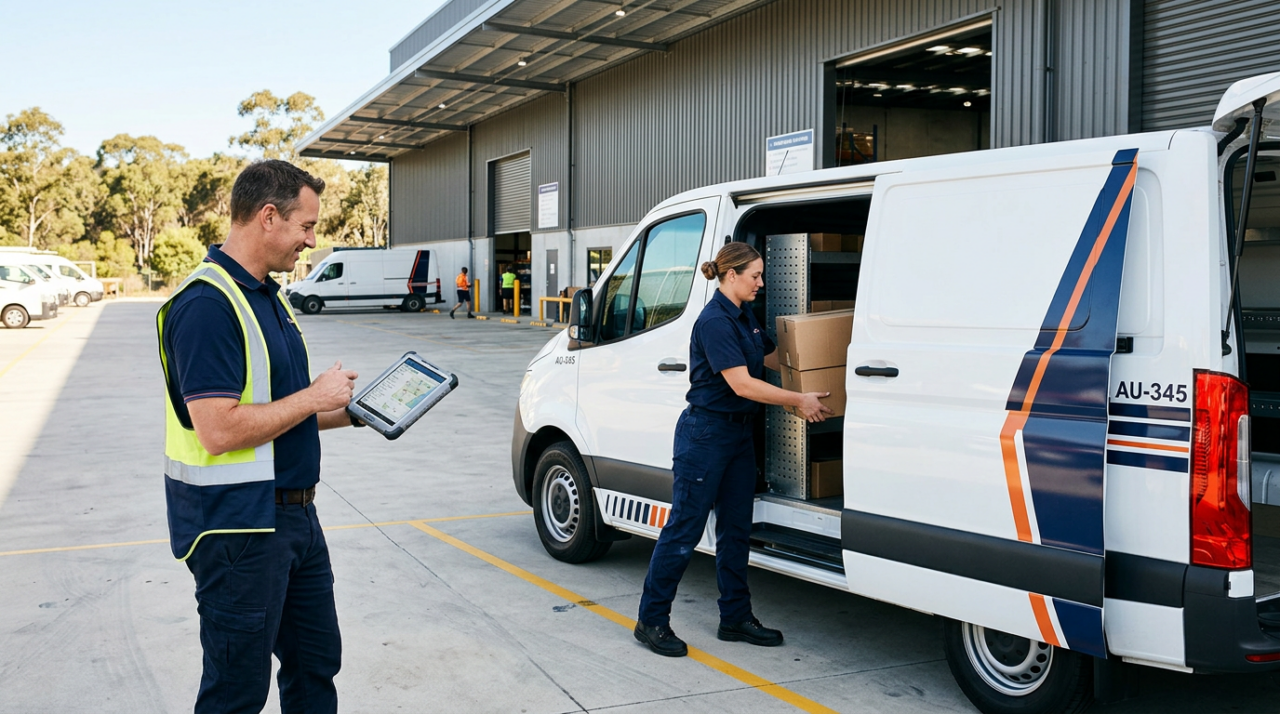
The rationale behind this shipping strategy is to prioritise your essential requirements, such as specific vehicle types, specialised driver training, or critical delivery windows. A dedicated delivery service provider builds a system around these specific needs rather than forcing your business into a generic, high volume network used by carriers such as FedEx or DHL. Transitioning to a dedicated model moves your operations from a daily hurdle to a predictable competitive advantage for every mile delivery.
Out for Delivery indicates that the consignment is on the final vehicle and is currently being distributed by the driver of the primary carrier. In contrast, Tendered for Delivery means the primary carrier (such as a national linehaul provider like DHL) has handed the goods over to a local agent or third party subcontractor for the final mile delivery. This handoff often results in a tracking black hole because the digital visibility of the primary carrier for the delivery typically stops once the final carrier takes possession.
Yes. These terms are semantically equivalent within the Australian transport industry. They describe the point in a hub and spoke model where a package is handed from a national freight provider to a regional or local distribution partner. This is why a ‘USPS tendered’ status update might appear. While this improves efficiency for the national carrier, it increases the risk of delivery delays for the sender due to incompatible tracking software between the two entities responsible for the final delivery.
To resolve tracking gaps, businesses should move from an open loop general carrier model to a closed loop dedicated delivery system. This involves using a Dedicated Delivery Partner who provides real time GPS tracking and electronic proof of delivery directly to your internal invoicing system. This methodology eliminates the third party handoffs that cause tendered delays, ensuring 100% visibility from the warehouse to the delivery destination, so your customer is always informed.
The primary tradeoff involves shipping cost versus control. General carriers like FedEx or DHL offer lower per unit shipping costs but lack driver consistency and brand control. An outsourced dedicated fleet provides a permanent vehicle hire solution, offering the reliability of an in house fleet without the capital expenditure or HR administrative burdens. For time critical business to business industries like auto parts or medical supplies, the increased reliability of a dedicated delivery fleet significantly reduces the total cost of delivery failures, ensuring the package is delivered on time.
Ontime Delivery Solutions generates revenue through long term business to business partnerships, providing outsourced fleet management, professional drivers, and dedicated vehicles as a managed service. This allows companies to operate their own delivery fleet at a fixed cost while we handle the administration, recruitment, and vehicle maintenance. This model aligns our revenue with your operational success by eliminating the hidden costs associated with high frequency delivery failures and tracking black holes.
Book your free fleet analysis now to see your savings potential and compare your options.
From pickup to drop-off, we make every step easier.
Need drivers? 1300 778 919