Using kilometres or mileage to schedule maintenance is standard for most vehicles, but for a city-based fleet, it’s a flawed metric. Relying on the odometer often leads to unexpected breakdowns and contributes to the cost of managing your in-house fleet. This guide explains why runtime is a truer measure of an asset’s health and how effective fleet management solutions protect your assets. Effective fleet management solutions are key to understanding this particular cost.
Key Takeaways: Why Run Time Matters More Than Kilometres
- The Core Problem with Kilometres: They’re a flawed metric for city driving because they only measure distance and ignore the significant impact of stationary operation on an engine’s wear and tear.
- The Real Metric: An asset’s run time is the true measure of wear. This is the only metric that captures the total stress on an asset.
- The Financial Impact: Stationary operation creates “ghost kilometres.” One hour of idling is equivalent to about 40-50 km of mechanical wear, a key factor in calculating fleet running costs.
- The Solution: Switch to a predictive maintenance model. Use fleet telematics data analysis to track runtime and reduce hidden fleet costs.
The Problem with Managing Your Fleet with Kilometre-Based Checks
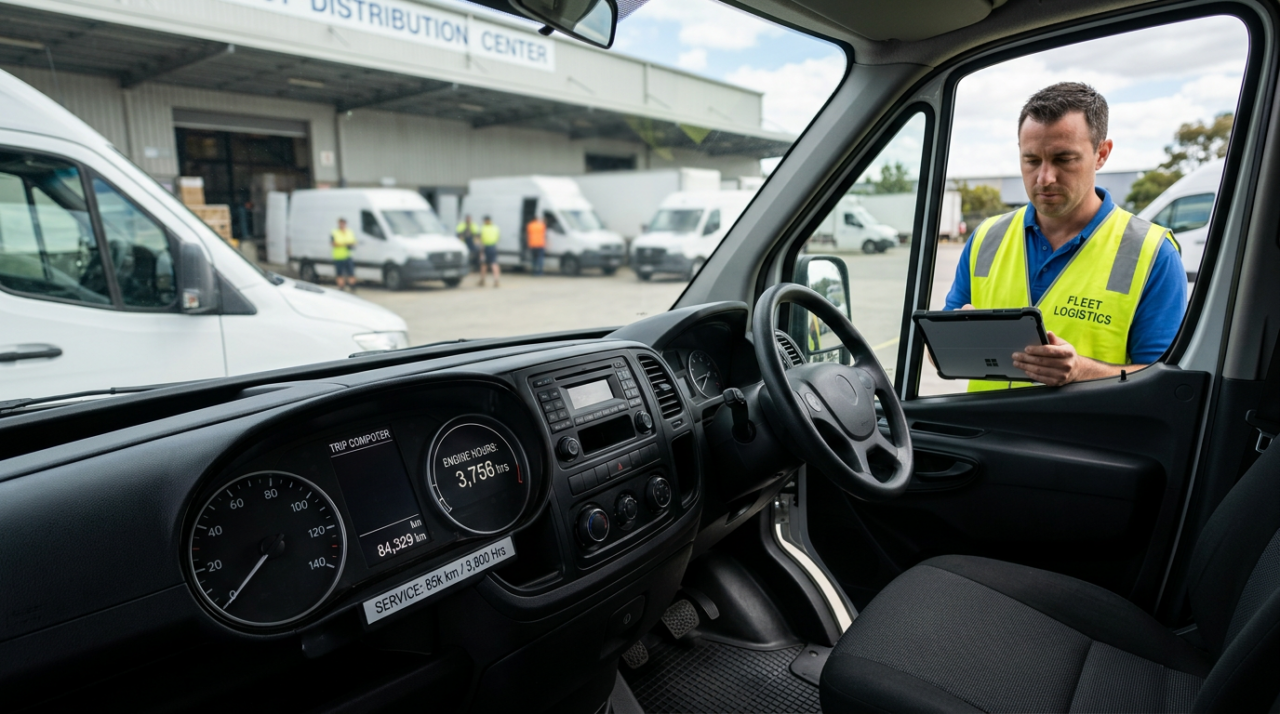
Standard service intervals, like every 15,000 km, were designed for highway driving. For city-based fleets, this model is flawed. An odometer only measures distance. It completely ignores the stress a vehicle endures while running but stationary in traffic, a major component of the true cost of ownership and a critical factor in effective fleet maintenance.
Two Vans, Same Kilometres, Different Stories
Let’s imagine two identical vans in a fleet, both with 15,000 km on the odometer and due for a service.
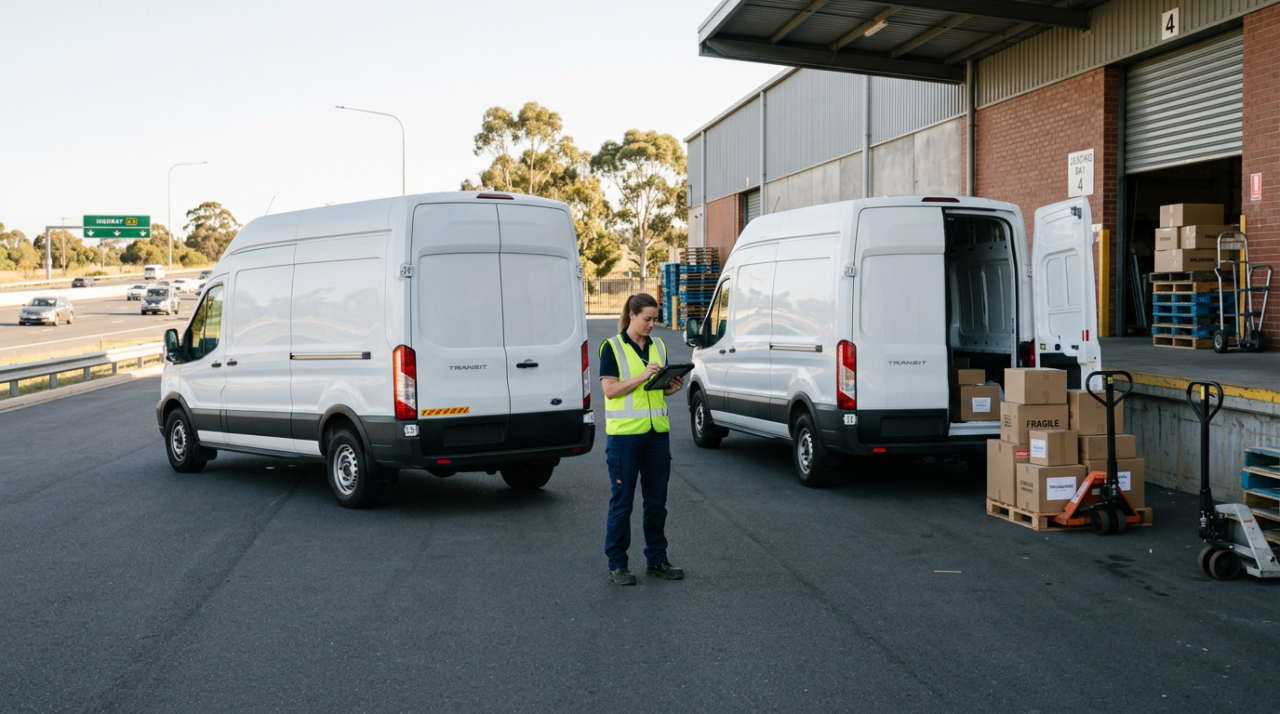
Van A: The Highway Runner (Low Wear)
This van primarily does long-haul runs between cities. It covers long distances quickly with minimal time spent stationary.
- Odometer Reading: 15,000 km
- Total Run Time: 200 hours
- Average Speed: 75 km/h
- The Reality: The vehicle’s wear and tear aligns perfectly with its odometer reading. A standard service is appropriate.
Van B: The City Worker (High Wear)
This van operates exclusively in stop-start city traffic, spending significant time stationary at traffic lights and delivery sites.
- Odometer Reading: 15,000 km
- Total Run Time: 500 hours
- Average Speed: 30 km/h
- The Reality: This vehicle has operated for 300 more hours than Van A. Its true workload is closer to 27,000 km, meaning critical components are at high risk of failure. It’s not just racking up kilometres; it’s getting a serious workout without even moving, putting its maintenance schedule miles behind reality.
The Verdict: Relying on the odometer alone for Van B would be a costly mistake. Tracking run time reveals the hidden impact of stationary running and prevents predictable breakdowns.
How Engine Idling Increases Hidden Costs & Vehicle Downtime
Stationary running isn’t a neutral state. It actively damages your vehicles and your budget. Here’s a breakdown of the costs for your fleet:
- It Causes “Surprise” Breakdowns: An asset with excessive stationary time wears out faster than its odometer suggests, leading to higher operating costs. A single breakdown can have a significant impact on a business’s daily finances.
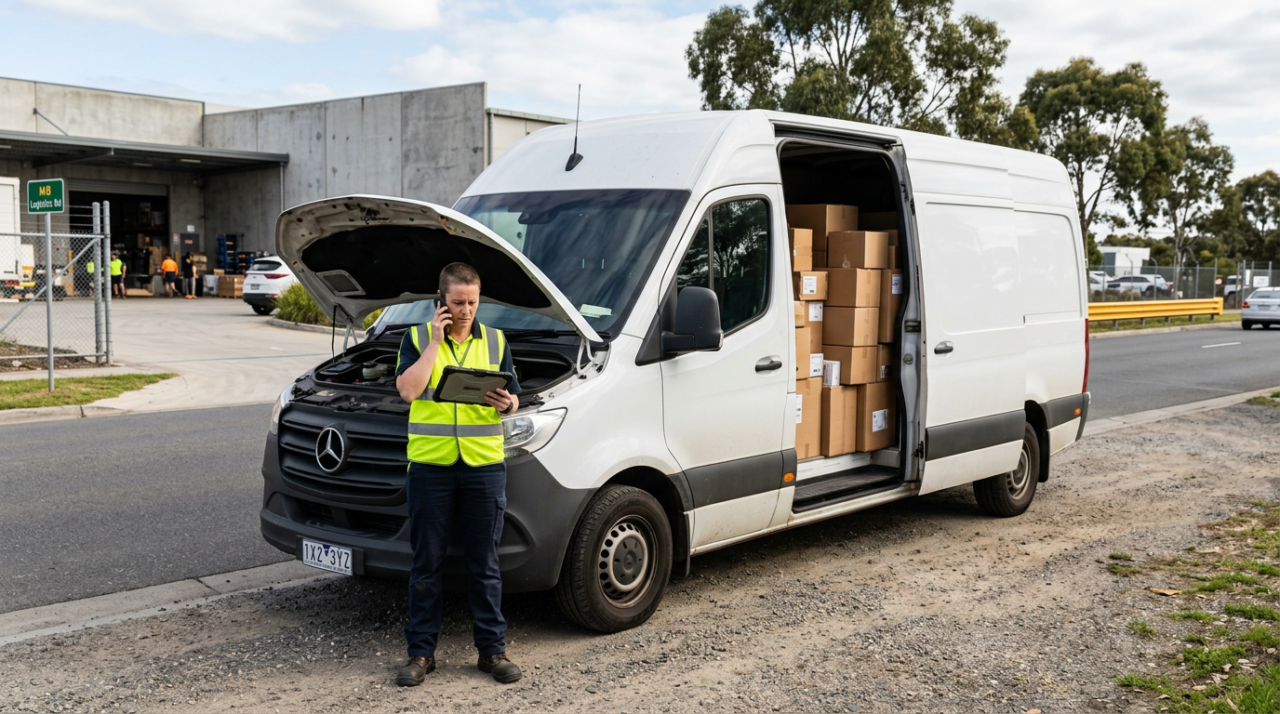
- It Wastes Thousands in Fuel: An idling engine burns 2-4 litres of fuel per hour, increasing emissions. Since fuel is often the biggest single operating cost for a business, these idle times can significantly impact your budget.
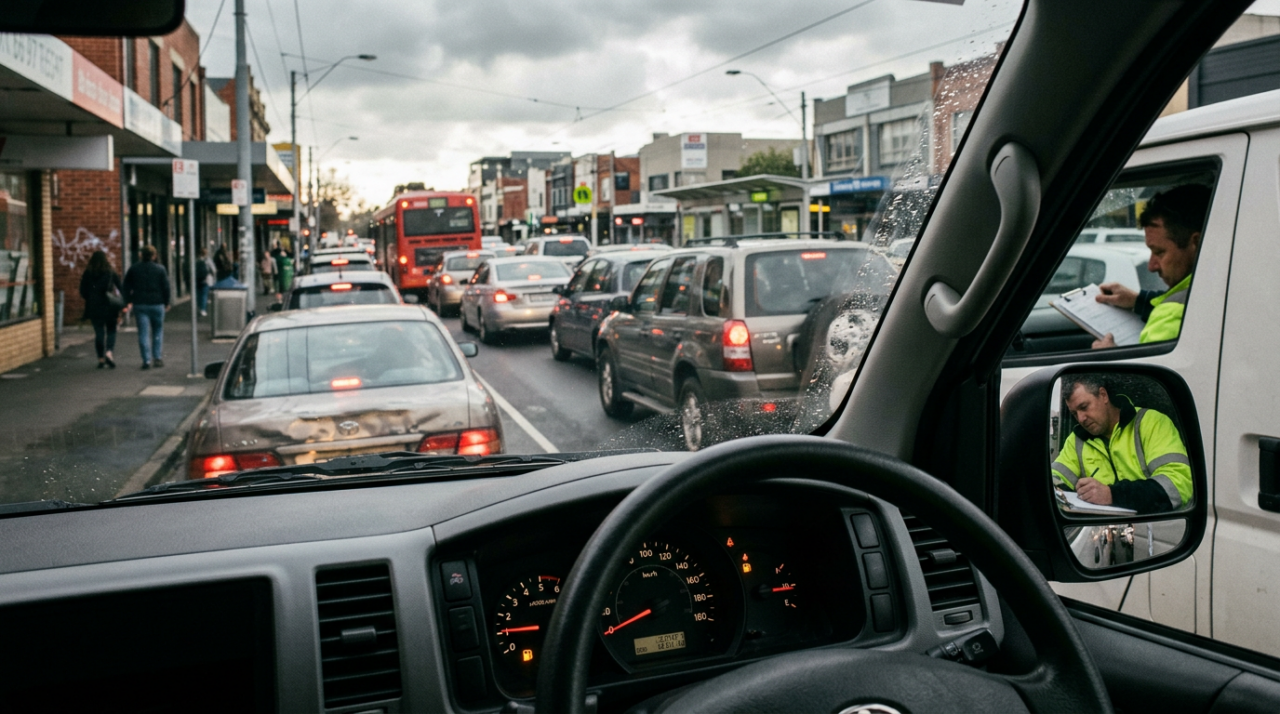
The Solution Is Using Fleet Telematics Data Analysis
The solution is to switch from a reactive to a predictive management approach using fleet telematics data. This technology gives you a complete, data-driven picture of your asset’s health, which is essential for reducing overall costs.
- How it works: A small telematics device is installed in each asset. It plugs into the vehicle’s computer to transmit real-time data on run time. This forms the core of a modern fleet management system.
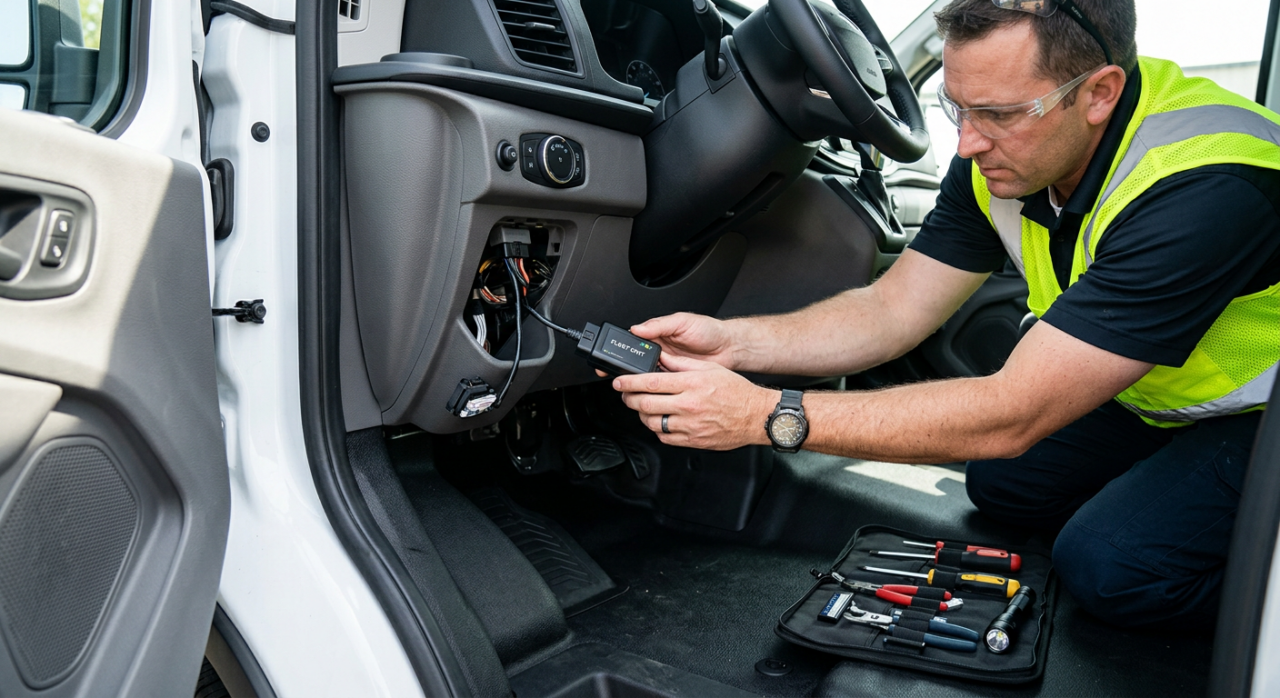
- Why it matters: Instead of guessing with kilometres, you can schedule maintenance based on the actual workload. Industry analysis has shown that a data-driven approach can significantly cut overall maintenance costs.

- The Challenge: Effective telematics data analysis requires time and expertise. This is where an outsourced partner can manage the entire process for you, reducing your internal management costs and turning raw data into real savings. Switching to this model isn’t just a smart move; it’s how you stop guessing and start kicking goals with your budget.

Stop Guessing. Start Saving.
Don’t let hidden costs bleed your budget dry. Our Fleet XRAY Analysis uncovers the real cost of running your fleet and provides a clear, data-driven path to significant savings.
Book Your Free Fleet XRAY Analysis Today
Frequently Asked Questions

Do Run Times Matter for New Assets?
Yes, tracking run time is critical for new vehicles. The impact of stationary operation begins from the first day, and monitoring it provides long-term financial and performance benefits.
For a new asset, focusing on its run time helps in three key areas:
- Establishing a Health Baseline: It creates an accurate record of the true workload, which is more reliable than kilometres for predicting future maintenance needs.
- Protecting Warranty Claims: Having detailed runtime data can provide clear evidence of proper use if a premature component failure occurs.
- Maximising Resale Value: A verifiable log of lower running time per kilometre can prove the asset has had an easier working life, increasing its value to potential buyers.
Is Fleet Telematics & Management Costs Hard to Manage?
Fleet telematics uses a small device that plugs into a vehicle’s onboard diagnostics to capture and transmit data such as runtime and location. The complexity of its management depends entirely on the service model you choose.
Here is a comparison of the two main approaches:
Self-Managed Telematics
- Pros: Gives you direct control over the raw data.
- Cons: Requires significant time to analyse reports, identify trends, and schedule servicing, which can be a major challenge for a busy management team.
Partner-Managed Telematics
- Pros: The service provider handles all data analysis, monitoring, and reporting, turning complex data into simple, actionable maintenance alerts for your business.
- Cons: Less direct control over the raw data.
Is a No-Idle Policy an Effective Solution?
While establishing a company policy to reduce idling is a good first step, it’s often ineffective without data to measure and enforce it. A data-driven approach using telematics is a more reliable strategy for influencing driver behaviour and reducing fuel costs.
The trade-off is between relying on manual enforcement versus automated tracking:
- Driver Policy Alone: This approach relies on trust and manual supervision, making it difficult to verify compliance or identify which routes or situations cause the most stationary time.
- Data-Driven Coaching: This approach uses telematics to provide objective reports on fleet idle time per driver and asset. It enables targeted coaching with specific data, measures the financial impact of behavioural changes, and fosters a culture of accountability.
Uncover the True Cost
Ready to see the hard data? Our free Fleet XRAY Analysis applies this thinking to your business to find hidden costs and improve fleet reliability.
Call our team at 1300 778 919 to schedule yours today.
Other Pages You Might Like