

A Deep Dive into Your Fleet’s Cost Per Kilometre
Do you know your fleet's true cost per kilometre? Our guide shows you how to calculate it, revealing…
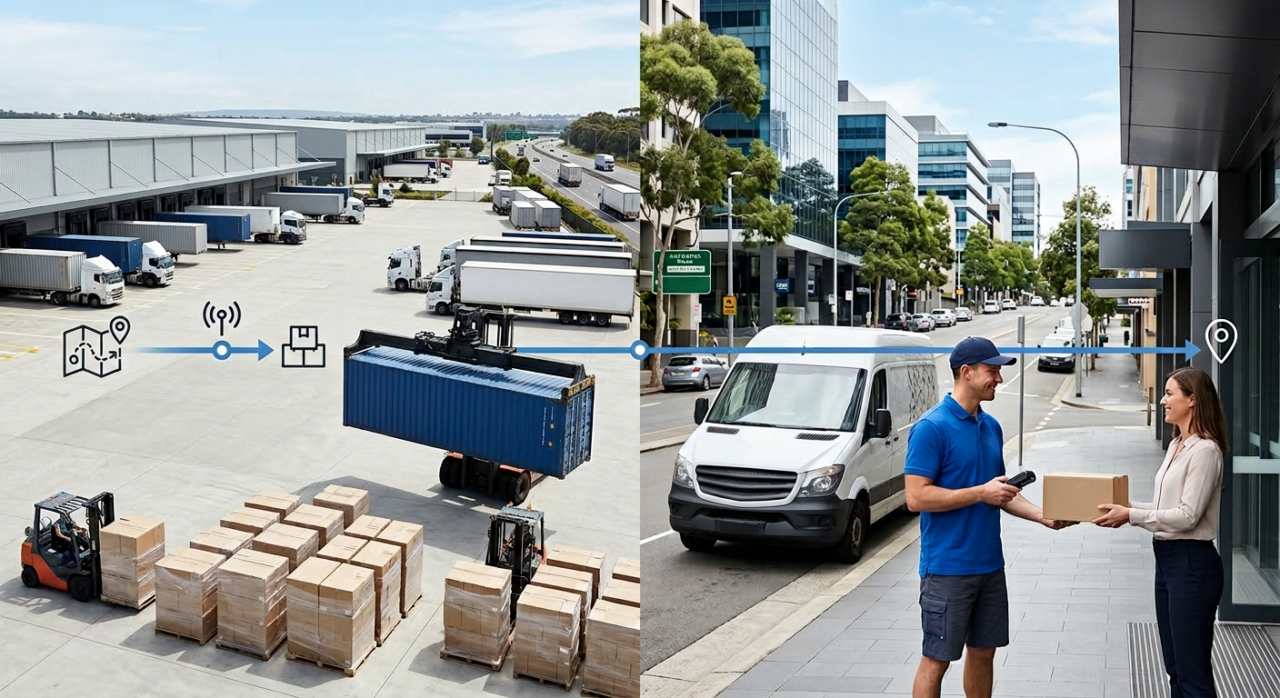
Many businesses treat ‘shipping’ and ‘delivery’ as the same thing, but they are two very different parts of your logistics. Confusing them often leads to hidden costs, unhappy customers, and frustration. But once you understand the difference, you can use it to turn your final delivery stage from a weakness into your biggest strength.
Your first step is to understand that in logistics, being precise saves you money.
The term shipping refers to the big-picture process of moving goods in bulk. Think of moving a large pallet of your product from the factory to a city warehouse. Shipping is the long, middle part of the journey.
In contrast, delivery is the final, personal step. It’s the process of getting one specific item from that city warehouse into your customer’s hands. This is the part of the journey they will remember most.
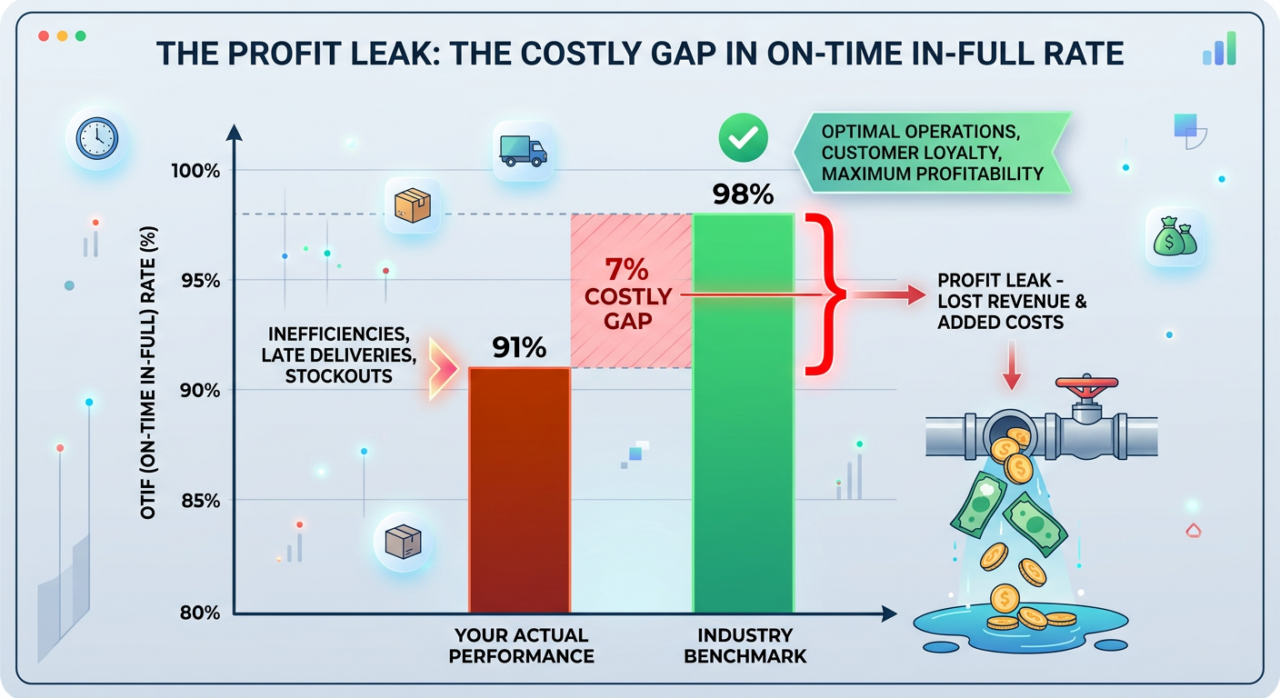
We’ve seen a wholesaler with a great shipping rate whose final delivery performance was poor. Their success rate was stuck around 91%, while the industry benchmark for high performers is 98%. That 7% gap meant hundreds of customers a year received a wrong or damaged order. For their business, this translated into significant lost revenue every year, all because the final part of the journey was failing.
| Factor | Shipping (The Big Picture) | Delivery (The Final Step) |
| Primary Goal | Move a lot of items cheaply | Make one customer happy |
| How It Works | Complex, multi-step process | Direct journey to the customer |
| How It Feels | Automated and impersonal | Personal and represents your brand |
Next, you need to find the real numbers before you can make a change. Here are three key metrics to track.
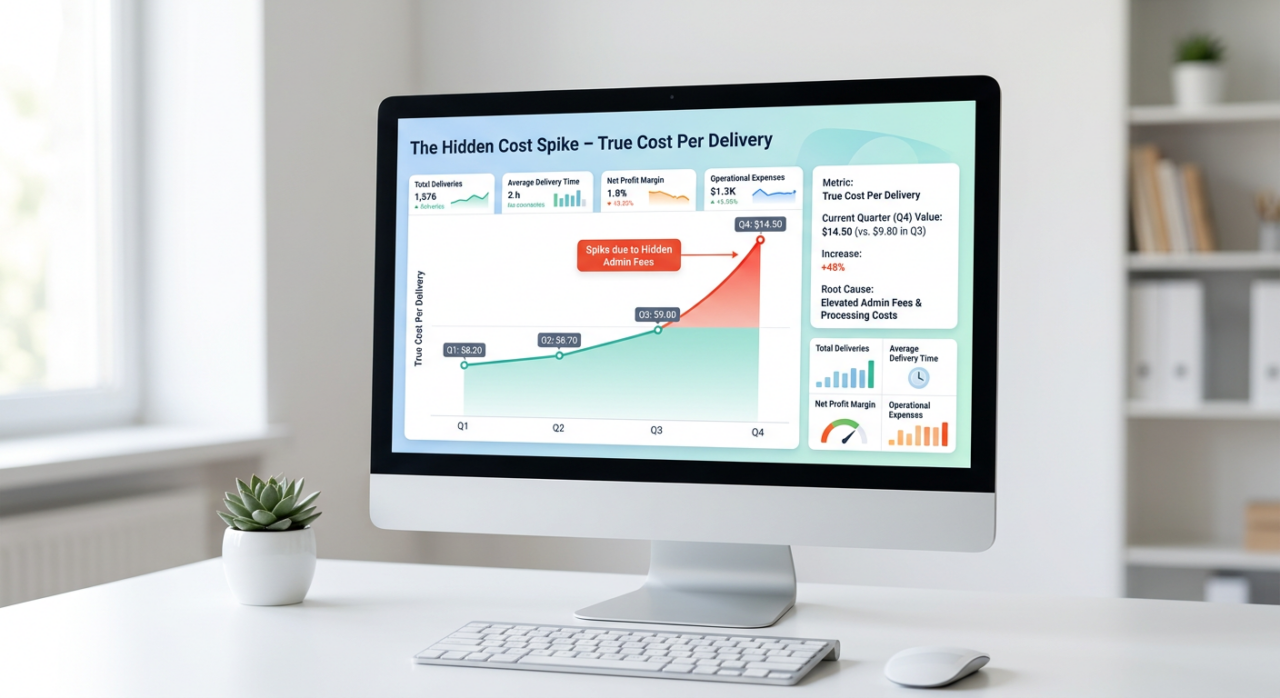
To find this, add up your total logistics invoices for one week. Then, add the cost of your team’s time spent on the phone chasing drivers or fixing errors. Divide that grand total by the number of successful drop-offs you had that week.
If you have your own truck, check how much it’s actually being used. Take the hours the truck is on a delivery route and divide it by the total hours you pay the driver. If that number is below 80%, you are paying for an expensive truck to just sit in the depot.
In our experience, the final delivery can make up over half of your total logistics costs. This matters because if the delivery experience is poor, your brand takes the hit, even if your product is perfect. This is the moment your customer feels the impact of your transport partner.
Is your fleet costing more in stress than it’s worth? See how a dedicated, outsourced model can save you money and protect your brand reputation.
Now that you know your costs, your next step is to reduce your risk. The biggest risk comes from relying on one national logistics company for everything. If they have one IT problem or a depot closure, your entire operation can be stuck for weeks. You’ll need to use a dedicated delivery partner who specialises in your city.
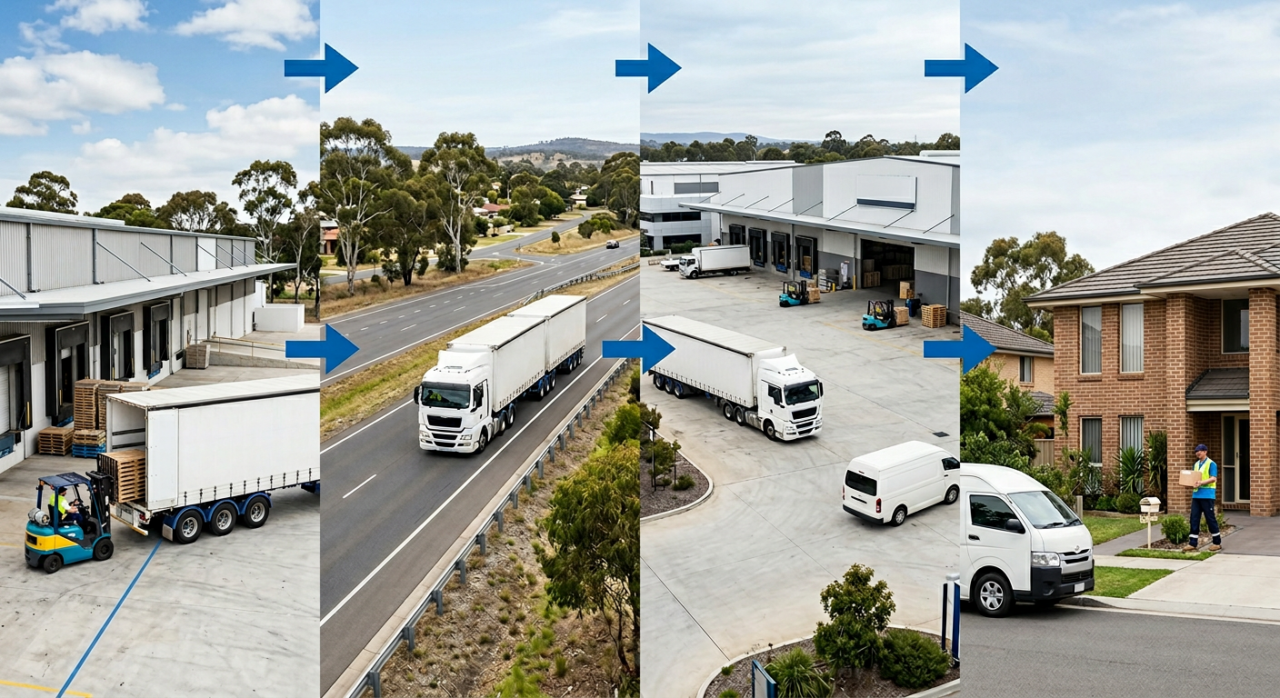
The solution is simple: use different providers for different jobs.
Your next move is to make sure you are paying a fair price. Large logistics firms often use a low ‘base rate’ to get your business, then add extra fees to the final invoice. They hook you with the first number, so the final, higher cost feels more acceptable. We have seen this trick cost a business tens of thousands of dollars a year.
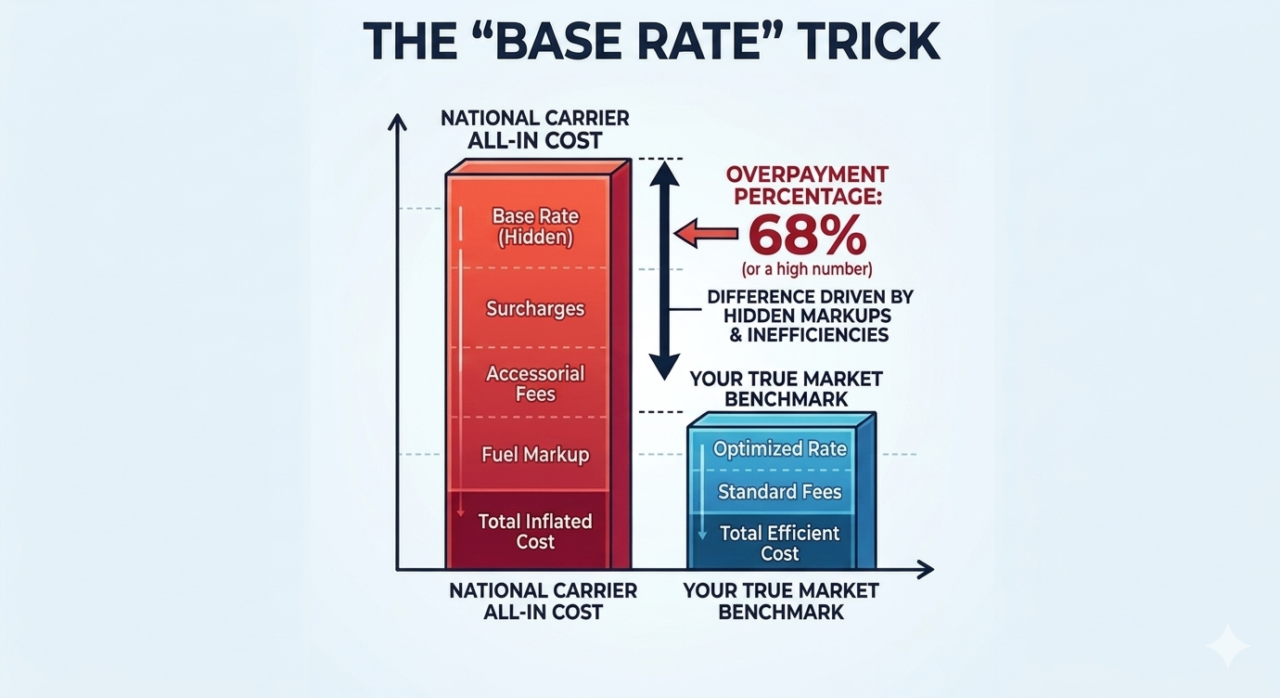
Create your own price benchmark. Instead of trusting their price list, get quotes from three dedicated local services for a typical delivery. The average of their quotes is the true market rate for your city. If a national provider’s final cost is more than 10% above that number, you know you’re overpaying.
Finally, run this simple, one-week audit to get complete clarity on your performance.

Use the official formula: (Number of orders completed on time and in full ÷ Total number of orders) x 100. ‘In full’ means nothing is missing or damaged.
Why This Matters: If your rate is below 98%, you have a clear leak in your profit that needs to be fixed.
Use the spreadsheet method from Step 2 to get a hard number on the time your team wastes fixing someone else’s mistakes. This is money you could be investing in growth.
Call five recent customers and ask this specific question: “Based on the experience of receiving your item, how likely are you to recommend us?” Asking only about the delivery isolates your provider’s performance from your product’s quality. If customers hesitate to answer, your logistics partner may be hurting your brand.
That final moment, when the box arrives in your customer’s hands, is the most remembered part of their experience with you. You can either hope for the best, or you can be the professional who takes control of the entire journey.
“We’ve seen these exact steps turn logistics from a cost centre into a competitive weapon for three decades as Chief Executive Officer of Ontime Delivery Solutions. If you’d like an expert eye to help you apply them, we recommend our team’s Fleet XRAY Analysis.”
—Walter Scremin, CEO of Ontime Delivery Solutions
Here are direct answers to common questions about the difference between shipping and delivery.
The main difference is size and focus. Shipping is the big-picture process of moving goods in bulk between locations, like from a factory to your warehouse. Delivery is the final, customer-focused step of taking one item on the last part of its journey to your customer’s door. Good shipping affects your stock levels, but good delivery affects your brand reputation.
No, they describe different jobs. Bulk freight moves large amounts of goods, like pallets, between major hubs (the ‘middle mile’). A delivery service handles the ‘last mile’—the final step from a local depot to a customer’s address.
It’s a choice between what’s easy and what’s safe for your brand. Using a dedicated local partner for final delivery gives you better service and protects your reputation. It keeps your customer deliveries safe from any problems in your bulk shipping network. The only downside is managing two partners instead of one.
The final stage is critical for three key reasons:
Don’t let logistical headaches cap your growth. Contact our experts for a tailored, data driven plan that turns your final customer touchpoint into an advantage.
From pickup to drop-off, we make every step easier.
Need drivers? 1300 778 919