
What is B2B Delivery Tracking? And How to Use It to Prevent Inventory Shrinkage
Get real-time proof of delivery with our advanced tech ✓ at Ontime Delivery Solutions. For serious…
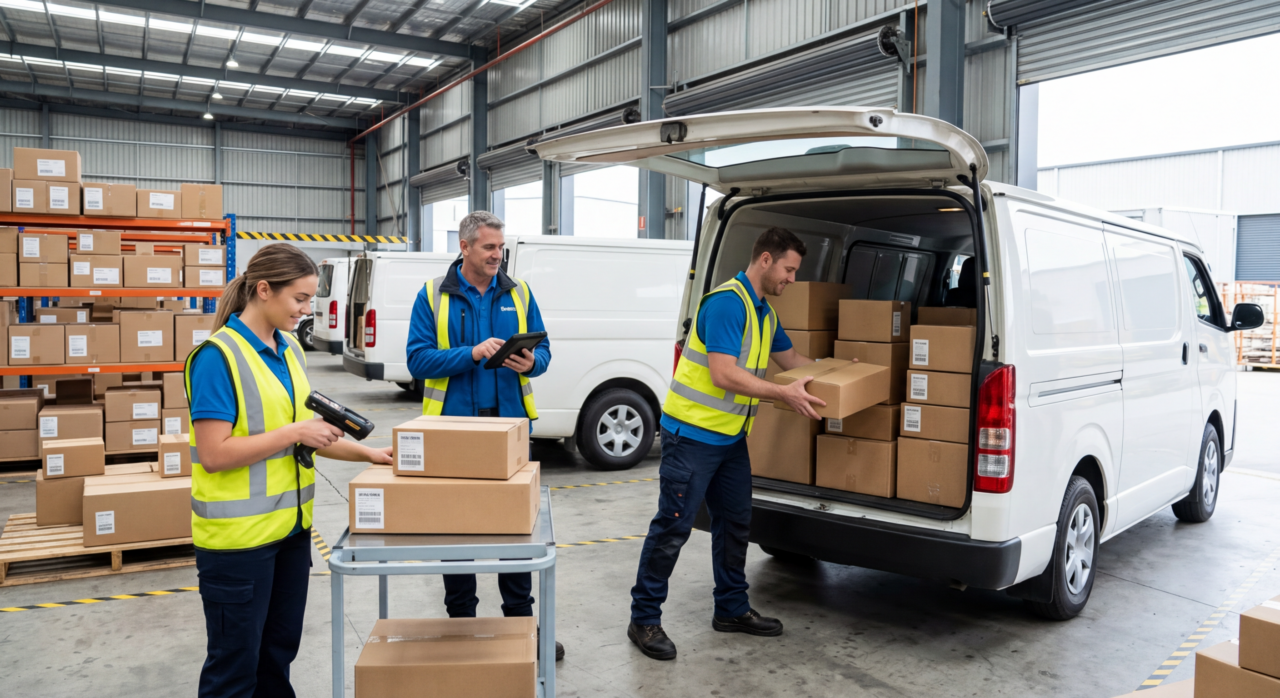
Professional B2B delivery tracking is a system that shows business owners where their shipments are in real time. It uses tools like live GPS to watch a delivery from start to finish.
That sinking feeling you get when a critical shipment is missing is a real problem. It’s a direct cause of inventory shrinkage, which means losing stock and money. This guide is a simple, 4-week plan to help you reduce inventory shrinkage with a dedicated delivery service you can trust and and take back control of your deliveries.
The first step is to find out how much your shipping problems are actually costing you. When your team spends time chasing late or missing parcels, that’s a real cost to your business.
We call this the ‘Visibility Tax’. It’s the price you pay for not knowing where your deliveries are. To see how big this problem is, you need to turn it into a number.
Why this matters: This gives you a real dollar figure. It makes the problem real and gives you a starting point. You can use this number to measure if a new delivery service is actually saving you money.
Once you know what delivery failures cost you, it’s time to check your current provider. In my experience, small differences in service can be the gap between a risky gamble and a guarantee. The best way to check is to look at how they operate.
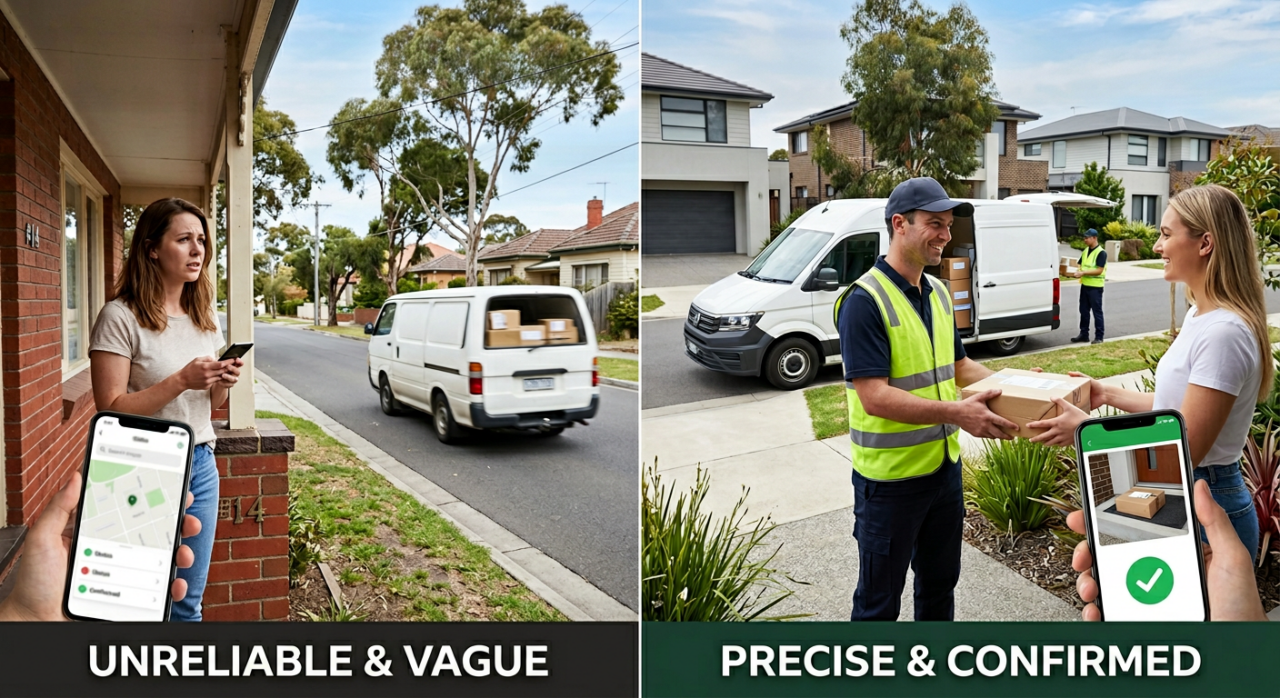
| The Amateur Gamble (High Shrinkage Risk) | The Professional Standard (Effective Inventory Loss Prevention) |
| Vague map dots with no live GPS | Proof of Delivery Photo. This ends arguments and will prove that your goods arrived safely. |
| A new driver every week | Stable, Dedicated Drivers. Drivers who know your products handle them with more care, leading to less damage. |
| You have to chase them for updates | Proactive Delay Alerts. You get an automatic alert if a shipment is late, so you are always in control. |
Insider Tip: Ask a potential partner for their Driver Retention Rate over the last 12 months.
Why this matters: If their driver retention is below 90 percent, it’s a big red flag. When a company has a high turnover of drivers, it often leads to more handling errors, damaged goods, and lost items. You want a team that is consistent and familiar with your products.
Let’s build a delivery plan you can trust. Partner with Ontime Delivery Solutions for guaranteed supply chain security and 90 percent plus driver retention with real time visibility you can actually trust.
Get Your Custom Delivery Quote Today!
After looking at your current provider, you might be tempted to just find someone cheaper. We have seen this go wrong many times. The cheapest quote often hides the biggest risks, which can lead to even more lost stock.
There is an idea in business called the ‘Winner’s Curse’. It means that sometimes, winning a bid makes you the real loser because you end up paying too much in the long run. This happens all the time in the delivery world.
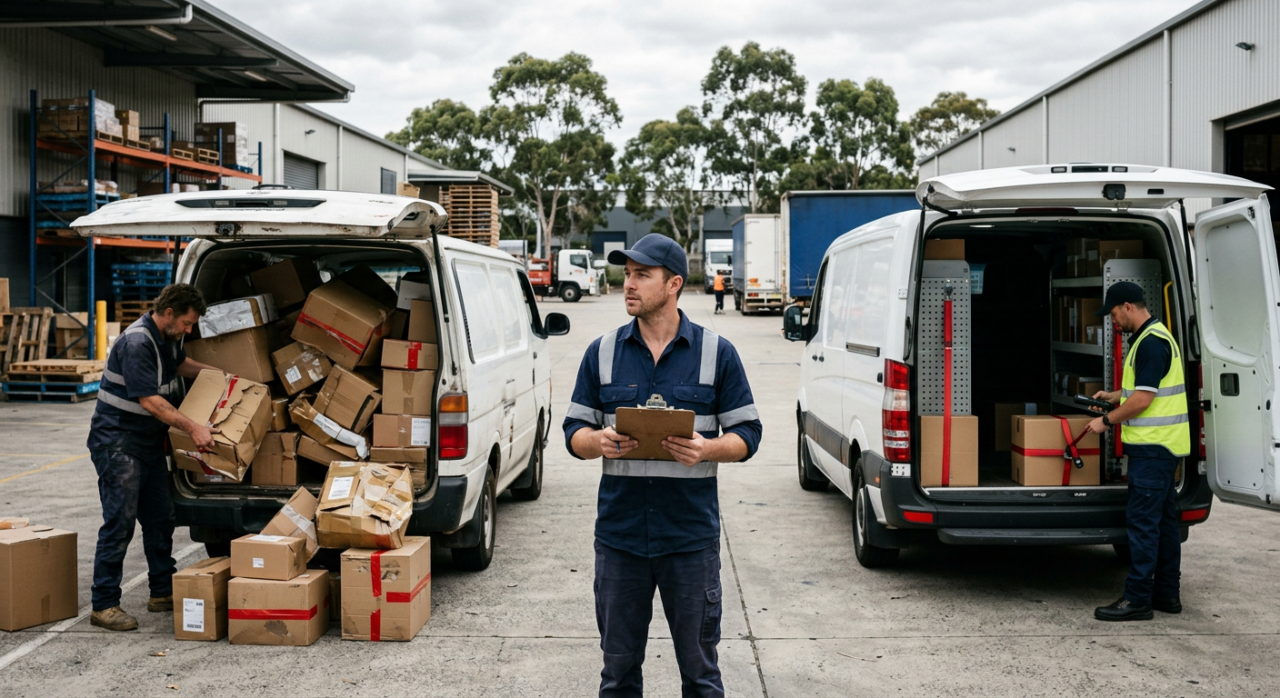
You might save $20 on a delivery fee. But that small ‘win’ turns into a big loss when an important part doesn’t arrive, or it shows up damaged.
The Solution: When looking at a new partner, look past the initial price. Instead, ask yourself this question: “What is the cost to my business if they fail?” That is the real number you need to focus on.
To get real control, you need to see exactly how their system works. That ‘in-transit’ dot on a tracking map can hide problems until it’s too late. The only way to know if a new partner can reduce your lost stock is to see their system work with your own eyes.
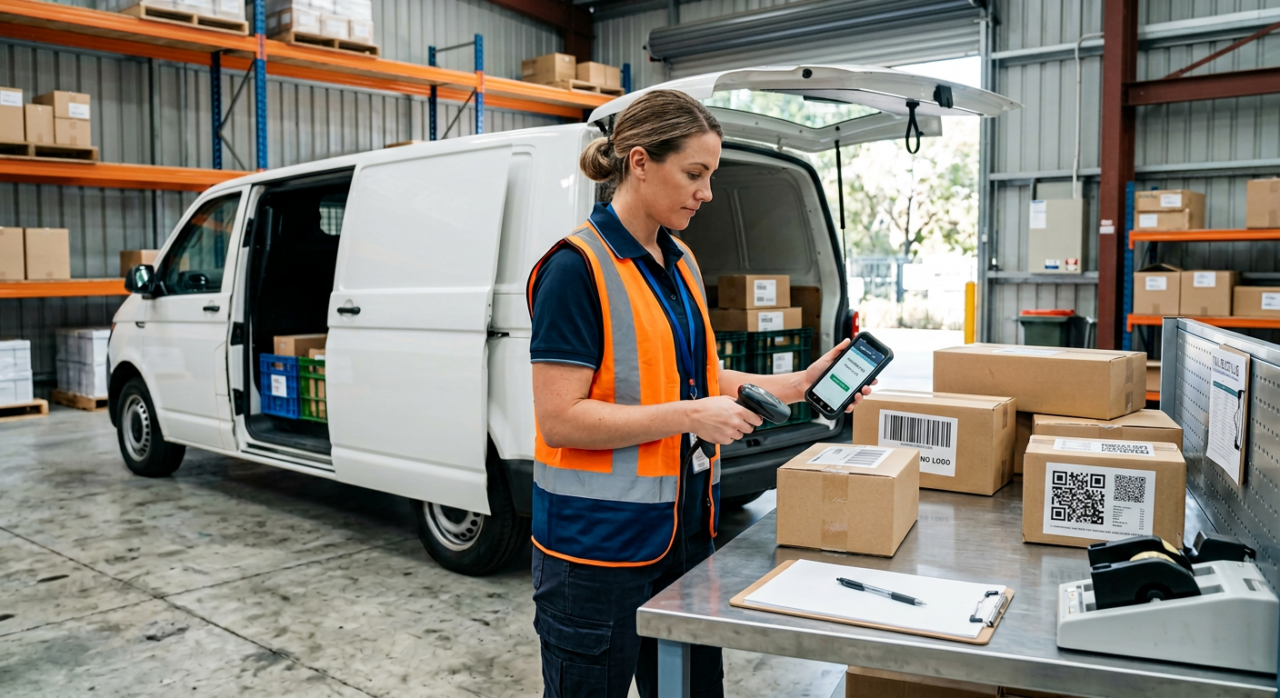
Here’s my advice on how to do this safely.
Step 1: Don’t switch everything at once. Choose one new provider that passed your checks from Week 2.
Step 2: Move your least critical route to them. Use them for a one-month trial on a route that won’t cause big problems if something goes wrong.
Step 3: Ask to see their system. Before you start, ask for a demo of their client portal. You need to see that they have time-stamped scans, a live tracking link, and photo proof for every delivery.
This trial allows you to prove their system works before you trust them with your most important clients. It is the safest way to find a reliable partner and take back control for good.

Inventory shrinkage is when you lose stock somewhere between the factory and the customer. Deliveries are a big cause of this for three main reasons:
The best way is to use a delivery service that has a high driver retention rate (over 90 percent is a good benchmark). A stable team gets to know your products and their specific handling needs. This leads to better care and fewer breakages.
A dedicated partner uses the same vetted drivers for your account. This creates consistency and accountability. A standard courier might use a random network of drivers, which increases the risk of stock going missing.
For good inventory control, your delivery partner must have two key things: multi-point scanning and photo proof of delivery. Multi-point scanning tracks your parcel at every key stage. Photo proof gives you visual evidence that your product arrived safely at the right place.
Yes. The upfront fee might be higher than a budget option. But the money you save by preventing lost sales, avoiding replacement costs, and cutting down on admin time usually results in a net financial gain. Calculating your ‘Visibility Tax’ from Week 1 can help prove this.
“After working in this industry for three decades and overseeing millions of deliveries, we’ve learned that logistics doesn’t have to be stressful. This guide uses the same ideas we used to build our business. We focused on providing the highest level of security for my clients, not just on being the cheapest.
We don’t just move boxes. We work to make your supply chain a source of strength, not a headache.
If this guide has been helpful, we recommend having a professional audit your logistics for you. The service we founded was built to prevent inventory loss and solve the exact problems we’ve talked about here.”
—Walter Scremin, CEO of Ontime Delivery Solutions
Let us help you find the hidden costs and build a clear plan to take back control.
From pickup to drop-off, we make every step easier.
Need drivers? 1300 778 919