So, you’re thinking about becoming an owner driver courier in Australia? It’s a field with real opportunity, but getting started right is key. I’m Walter Scremin, CEO of Ontime Delivery Solutions. Since 1992 I’ve helped build this company from a Victorian-based business into a nationwide transport and logistics operation, and I’ve seen countless drivers launch successful careers. This isn’t just another job; it’s a chance to run your own business.
This post is your straightforward, no-nonsense checklist. I’ll walk you through the essential steps, from getting your ABN and setting up your vehicle to landing that crucial first run. My goal is to give you a clear action plan so you can hit the road with confidence. Let’s get you started.
This post is your straightforward, no-nonsense checklist. I’ll walk you through the essential steps, from getting your ABN and setting up your vehicle to landing that crucial first run. My goal is to give you a clear action plan so you can hit the road with confidence. Let’s get you started.

Here’s your roadmap – MY key steps to launching your courier career:
Step 1: Decide: Is Being a Courier Driver Right for You?
Step 2: Get Legal: Your ABN and Business Setup Checklist
Step 3: Your Wheels: Choosing and Preparing Your Vehicle
Step 4: Essential Cover: Getting the Right Insurances
Step 5: Plan Your Finances: Understanding Costs and Earnings
Step 6: Hit the Road: Finding Work and Your First Run
Ready to build your future on wheels? Your first action is to honestly assess if this path fits your goals.
Step 1: Decide Is Being a Courier Driver Right for You?
Before you even think about vans or ABNs, it’s crucial to decide if this career truly suits you. Being an owner driver offers freedom, but it also demands responsibility and a particular mindset.
Honestly Assess Your Skills and Preferences
- Are you self-motivated and disciplined? As your own boss, you’ll need to manage your time and workload effectively without someone looking over your shoulder.
- Do you enjoy driving and know your local area? You’ll be spending a lot of time on the road.
- Are you good with people? Customer service is a big part of being a successful courier.
- Can you handle the physical demands? Lifting and carrying packages of various weights is often required.
- Are you prepared for the administrative side? This includes invoicing, managing expenses, and basic bookkeeping.
Understand the Lifestyle
- Work hours can vary. Some days might be long, and depending on the work you secure, you might need to be flexible.
- Income can fluctuate, especially at the start. You’ll need to be prepared for this.
- A 2023 MYOB report found nearly half (45%) of Australian small business owners sacrifice personal commitments due to work pressures. Consider how you’ll manage your work-life balance.
Your First Decision Point: If you’ve read this and thought, “Yes, I can do that!” then you’re ready for the next step: getting your business basics in order.
Step 2: Get Legal: Your ABN and Business Setup Checklist
Once you’ve decided to go for it, the next crucial step is to set up your business legally. This isn’t as daunting as it sounds if you follow a checklist.
Apply for Your Australian Business Number (ABN)
This is non-negotiable. An ABN identifies your business to the government and other businesses.
Understand GST Obligations
- Registration threshold: The Australian Taxation Office (ATO) states if your GST turnover (gross income from your business) is $75,000 or more, you must register for GST.
- What it means: If registered, you’ll need to charge GST on your services and can claim credits for GST included in your business expenses. Keep good records!
Open a Dedicated Business Bank Account
- Why? It keeps your personal and business finances separate, making bookkeeping and tax time much simpler.
- Action: Compare options from different banks and open an account once you have your ABN.
Consider Your Business Structure
- Sole trader: This is the simplest structure, where you are the business.
- Company: Offers more complex asset protection but has more reporting requirements.
- Advice: If unsure, speak to an accountant or business advisor about the best structure for your situation.
With your business basics sorted, it’s time to think about your most important tool: your vehicle.
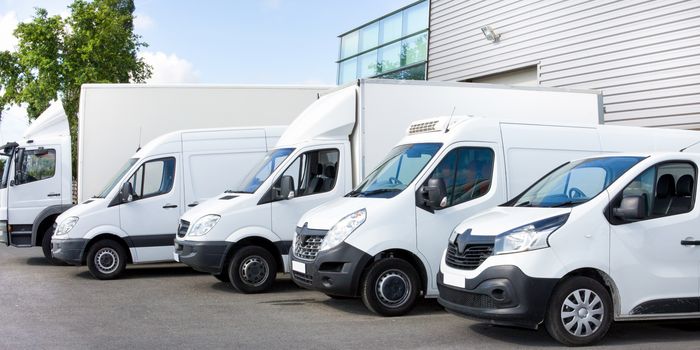
Step 3: Your Wheels: Choosing and Preparing Your Vehicle
Your vehicle is the heart of your courier business. Choosing the right one and ensuring it’s properly equipped and maintained is vital for success and reliability.
Choose the Right Vehicle Type
The type of vehicle you need depends on the work you plan to do.
- Hatchbacks/Small Cars: Suitable for small, local parcel deliveries or document runs.
- Utes: Good for slightly larger items or when you need an open tray.
- Vans (1-tonne, 2-tonne): The workhorse for many couriers, offering good cargo space and protection from weather. These are often in high demand. Experienced one and two-tonne van owner drivers can earn over $58,292 annually.
- Larger Trucks (Box Trucks, Pantechs): For bulkier goods or larger delivery contracts.
- Research: Look at job ads for owner drivers in your area to see what types of vehicles are commonly requested.
Ensure Roadworthiness and Registration
- Safety First: Your vehicle must be mechanically sound and meet all roadworthy requirements in your state or territory.
- Registration: Ensure it’s registered for business/commercial use if required.
Essential Equipment
Depending on your work, you’ll likely need:
- Trolley/Hand Truck: For moving heavier items.
- Straps and Blankets: To secure and protect goods in transit.
- GPS/Navigation System: Essential for efficient routing.
- Mobile Phone and Charger: For communication.
- Safety Gear: High-visibility vest, safety shoes, gloves.
Vehicle Maintenance Plan
- Regular Servicing: Follow the manufacturer’s recommended service schedule to prevent breakdowns. Breakdowns mean lost income.
- Tyre Checks: Regularly check tyre pressure and tread.
- Cleaning: A clean, professional-looking vehicle makes a good impression.
Once your vehicle is sorted, you need to protect it, yourself, and the goods you carry with the right insurance.
Step 4: Essential Cover: Getting the Right Insurances
Insurance is not an area to cut corners. It protects you, your business, and your clients from unforeseen events.
Commercial Vehicle Insurance
- What it covers: Your van, ute, or truck for business use. Standard car insurance usually won’t cover you when you’re working as a courier.
- Action: Get multiple quotes specifically for commercial use.
Public Liability Insurance
- What it covers: Protects you if your business activities cause injury to a third party or damage to their property. For example, if you accidentally damage a client’s driveway or someone trips over a package you’re delivering.
- Cover amount: You’ll typically need $5 million to $20 million cover.
Action: This is essential. Don’t operate without it.
Goods in Transit Insurance
- What it covers: The client’s items you are carrying against loss or damage while in your care.
- Why it’s important: Gives your clients peace of mind and protects you from liability if something happens to their goods.
- Action: Discuss your needs with an insurance broker.
Personal Accident and Sickness Insurance (Consider This)
- What it covers: Provides an income if you’re unable to work due to an injury or illness. As a self-employed owner driver, you won’t have sick leave.
- Action: Evaluate if this is necessary for your financial security.
Getting these insurances in place is a critical step before you start looking for work.
Step 5: Plan Your Finances: Understanding Costs and Earnings
Before you start your engine for that first run, you need a basic understanding of your finances. This isn’t about complex accounting, but about knowing your numbers.
Understand Your Running Costs
Your vehicle is your biggest expense. You need to account for:
- Fuel: A major, fluctuating cost. Some owner-operators report fuel costs of $40,000-$60,000 a year. Fuel surcharges can also add 25-45% to freight costs.
- Maintenance & Repairs: Budget for regular servicing and unexpected repairs.
- Tyres: These will need regular replacement.
- Registration & Insurance: Annual fixed costs.
- Other Overheads: Phone, accounting software, etc.
- Action: Create a simple spreadsheet to list and estimate these monthly and annual costs.
Research Earning Potential
We touched on this earlier, but it’s worth revisiting now that you’re closer to starting.
- Average Earnings: Talent.com shows an average of around $58.292 per year for owner drivers in 2025.
- Entry-Level: Newcomers might start around $55,723 annually.
- Experienced: With experience and good contracts, earnings can exceed $63,100 per year.
- Action: Research rates for your vehicle type and the kind of work you’re seeking in your area.
Set Your Rates (If Going Fully Independent)
- If you’re not partnering with a company that sets rates, you’ll need to decide how much to charge. This could be per kilometre, per hour, or per delivery.
- Action: Research competitor rates and ensure your rates cover all your costs and provide a profit.
Having a handle on your expected costs and potential income will help you make smart business decisions from day one.
Step 6: Hit the Road: Finding Work and Your First Run
You’ve done the groundwork: business setup, vehicle ready, insurances in place, and a basic financial plan. Now it’s time for the exciting part – finding work and completing your first run!
Strategies for Finding Work
- Online Load Boards/Job Platforms: Websites and apps that list available delivery jobs.
- Direct Contact with Businesses: Approach local businesses that might need regular delivery services (florists, pharmacies, manufacturers, retailers).
- Networking: Let friends, family, and other business contacts know you’re starting a courier service.
- Partnering with Established Courier Companies: Companies like Ontime Delivery Solutions often look for reliable owner drivers. This can provide consistent work without you having to find clients yourself. We offer consistent work with earnings typically between $1,000 to $2,250 per week.
Prepare for Your First Day
- Plan Your Route: Know where you’re going.
- Check Your Vehicle: Ensure it’s fuelled, and all equipment is ready.
- Confirm Details: Double-check pickup/delivery times, contact names, and any special instructions.
- Professional Appearance: A clean vehicle and tidy appearance make a good impression.
Professionalism is Key
- Be Punctual: Time is critical in the delivery business.
- Communicate Clearly: With clients and dispatchers.
- Handle Goods with Care: This builds trust and your reputation.
- Problem Solving: Be prepared to handle unexpected delays or issues calmly and professionally.
Your first few runs are crucial for building momentum and a good reputation.
Walter’s Final Tips for New Starters
- Stay Organised: Keep track of your paperwork, schedule, and finances from day one.
- Focus on Customer Service: Happy clients lead to repeat business and referrals.
- Be Adaptable: The logistics industry can be dynamic. Be prepared to adjust.
- Don’t Undervalue Yourself: Ensure your earnings cover your costs and your time.
- Consider a Mentor or Network: Learning from experienced drivers can be invaluable.
Conclusion: Your Courier Career Starts Now!
You now have a comprehensive checklist to launch your career as an owner driver courier in Australia. From the initial decision and ABN registration to vehicle preparation, insurance, and finding that first run, each step is crucial. It takes planning and effort, but the rewards of running your own successful courier business can be significant.
At Ontime Delivery Solutions, we’re always looking for dedicated owner drivers to join our team. If the idea of consistent work, supportive operations, and strong earning potential appeals to you, we’d love to chat.
Your Invitation to Act: I warmly invite you to give our friendly, approachable, and highly experienced driver recruitment team a call right now on 1300 808 488.
Let’s have a confidential, informative chat to see if partnering with Ontime is the right and rewarding fit for you as you embark on this exciting journey.
Whichever path you choose, take these steps, work smart, and build the successful courier career you deserve. Go make it happen!